
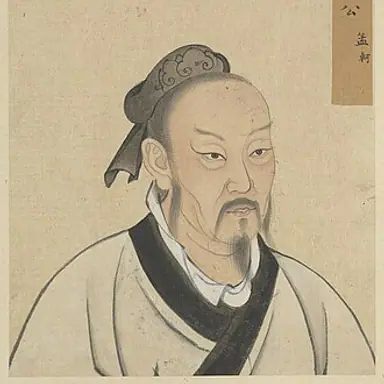
Portrait of Mencius

Mencius

Confucianism · Ancient · China

Wikipedia

Mencius, born Meng Ke (孟軻), was a Chinese Confucian philosopher, often described as the Second Sage (亞聖) to reflect his traditional esteem relative to Confucius himself. He was part of Confucius's fourth generation of disciples, inheriting his ideology and developing it further. Living during the Warring States period, he is said to have spent much of his life travelling around the states offering counsel to different rulers. Conversations with these rulers form the basis of the Mencius, which would later be canonised as a Confucian classic.

Summary from Wikipedia.

Saved takes

Is morality objective?

Mencius argued that humans have innate moral sprouts such as compassion, which, when cultivated, grow into virtues. Morality is thus rooted in a shared human nature rather than arbitrary custom.

Moral feeling is naturally present in everyone, like seeds, and ethical life is the nurturing of what is already in us.

Source: Mencius

What is evil?

Mencius holds that human nature has inborn moral sprouts, so evil is a failure of cultivation and a result of damaging circumstances. People become bad when their good tendencies are neglected or stunted.

Wickedness is not our original nature but what results when the seeds of compassion and shame are starved or cut down by bad conditions and neglect.

Source: Mencius