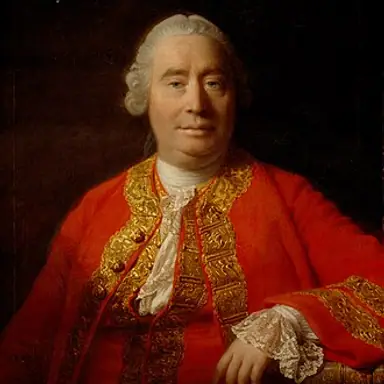
Platonism
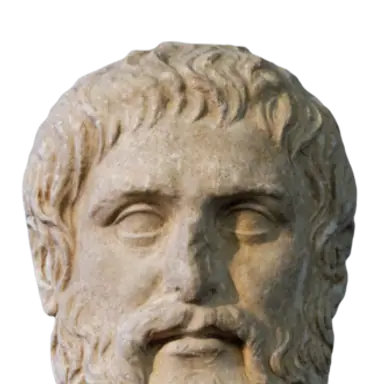
Plato held that goodness is a real, mind-independent Form that can be grasped through reason and philosophical training. Moral knowledge is therefore a kind of insight into reality, not a matter of convention.
The Good exists independently of human opinion, and a just life is one aligned with that eternal reality, which the trained intellect can come to know.
Source: Republic
Aristotelian virtue ethics
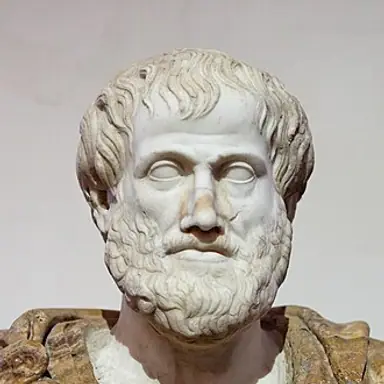
Aristotle grounded ethics in human nature and function, arguing that flourishing (eudaimonia) is an objective target achieved through virtuous activity. Yet he accepted that ethical precision is limited and depends on practical wisdom.
What is good for humans is fixed by what kind of beings we are, though applying that in particular situations requires judgment rather than exact rules.
Source: Nicomachean Ethics
Daoism
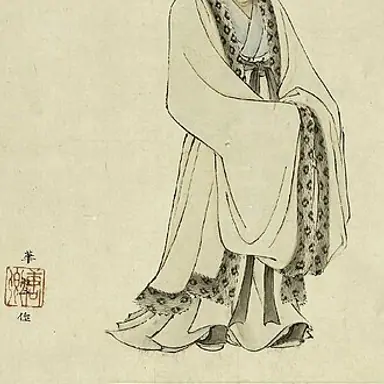
Zhuangzi questioned whether fixed standards of right and wrong exist, noting that judgments vary with perspective. He urged a flexible, non-dogmatic responsiveness to the flow of things.
Claims about right and wrong depend on where one stands, so clinging to one fixed moral viewpoint is a kind of blindness to other valid vantage points.
Source: Zhuangzi
Confucianism
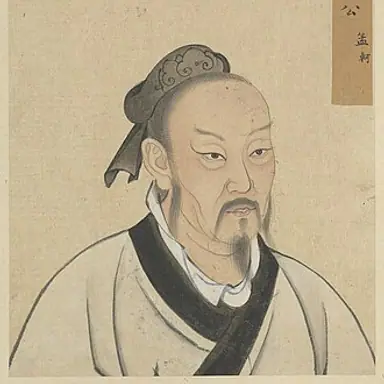
Mencius argued that humans have innate moral sprouts such as compassion, which, when cultivated, grow into virtues. Morality is thus rooted in a shared human nature rather than arbitrary custom.
Moral feeling is naturally present in everyone, like seeds, and ethical life is the nurturing of what is already in us.
Source: Mencius
Scholastic natural law
Aquinas taught that moral truths are grounded in natural law, humanity's rational participation in God's eternal order. Basic precepts are accessible to reason and universal.
Right and wrong are fixed by an order built into creation, and any reasoning person can discern its basic demands.
Source: Summa Theologiae
Empiricism / sentimentalism
Hume argued that morality arises from human sentiment, not from reason alone, and that one cannot derive an ought from an is. Moral distinctions depend on shared human feelings of approval.
Reason by itself cannot make something virtuous or vicious; moral judgments express sentiments that humans broadly share.
Source: A Treatise of Human Nature