Ethics

What is evil?

The thinkers largely agree that evil is not an independent substance but arises from human disorder, whether of knowledge, will, or upbringing, and several see it as resisting full explanation. They split over whether evil is a real metaphysical lack, a chosen perversion, a social or historical label, or a banal failure to think, and over whether the world's evils can ever be rationally justified.

12 perspectivesClaude Sonnet 5.5Updated Oct 27, 2026A fresh run is rate limited and uses the same request limits as the rest of Perspective.

Answerability

No right answer

15 / 100

NoneContestedFactual

Common ground

Where they agree

  • Most of the thinkers treat evil as bound up with human choice…
  • Plato, Augustine, and Aquinas share a privation-style outlook: evil is a defect…
  • Mencius and Xunzi both locate the remedy for evil in cultivation, education…
  • Weil and Arendt both stress that real evil is often unspectacular, produced…
  • Ricoeur and Neiman both hold that evil resists complete rational explanation and…

Fault lines

Where they differ

  • Is evil real or constructed? Augustine, Aquinas, and Kant treat it as a real moral condition, while Nietzsche treats the concept of evil as a historical product of resentment.
  • Is evil ignorance or free choice? Plato sees wrongdoing as a failure of knowledge, whereas Augustine and Kant stress a will that chooses wrongly.
  • Is human nature originally good or inclined to disorder? Mencius sees innate moral sprouts that get stunted, while Xunzi sees a self-interested nature that must be disciplined; Kant's radical propensity to evil sits nearer Xunzi on this point, though it is self-incurred.
  • Can evil be justified within a larger whole? Leibniz argues that evil fits into the best possible world, while Neiman and Ricoeur resist any such neat reconciliation.
  • Is evil to be defined metaphysically or experienced and read in history? Aquinas and Leibniz give systematic definitions, while Ricoeur, Arendt, Weil, and Neiman work from symbols, historical atrocity, affliction, and the experience of moral rupture.
  • Does evil come from deep motives or from thoughtlessness? Kant points to a deep propensity in the will, while Arendt stresses that atrocity can flow from shallow thoughtlessness in ordinary people.

The council

12 perspectives

Plato

c. 428–348 BCE · Greece

Platonism

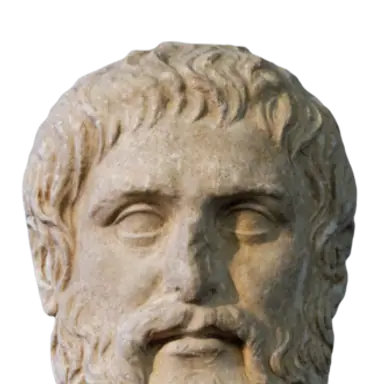
Plato treats evil mainly as ignorance and disorder of the soul. Those who do wrong are failing to see what is truly good for them, so wrongdoing is a kind of sickness of understanding rather than a rival cosmic force.

No one knowingly pursues what is bad for them; wrongdoing comes from a soul that mistakes what is good, and evil is the harm that disorder does to the one who harbors it.

Source: Republic

Augustine of Hippo

North Africa

Christian Neoplatonism

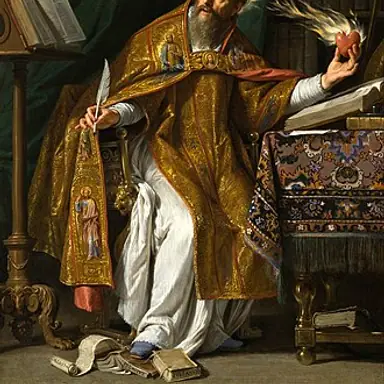
Augustine, after rejecting Manichean dualism, argued that evil has no independent being. It is a privation or corruption of a good nature, arising when the will turns away from God toward lesser goods.

Evil is not a thing in itself but a lack of good, a distortion that enters when a free will loves lower things in place of the highest good.

Source: Confessions

Thomas Aquinas

1225–1274 · Italy

Scholasticism

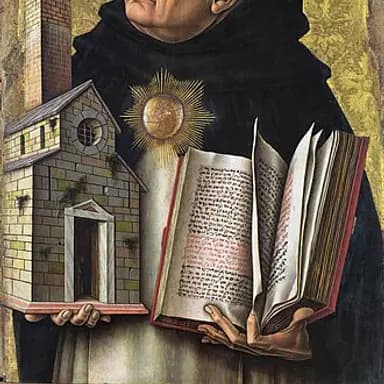
Aquinas develops the privation view systematically, defining evil as the absence of a good that a thing ought to have. He distinguishes natural evils from moral evil, which stems from willed disorder in human action.

Evil is the missing of a due perfection in something; moral evil occurs when a person chooses an apparent good in a way that violates right reason.

Source: Summa Theologiae

Rationalism

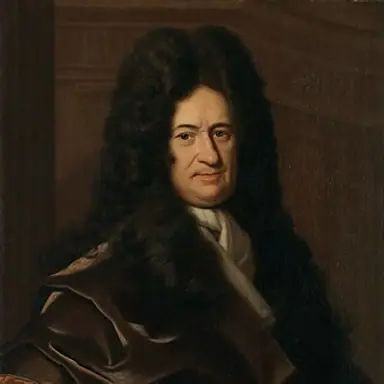
Leibniz coined the term theodicy and distinguished metaphysical, physical, and moral evil. He argued that evil is compatible with a perfect God because this world, with its evils, is the best of all possible worlds.

Evil comes from the inevitable limits of created things, and a wise creator permits it as part of the best overall arrangement of the whole.

Source: Theodicy

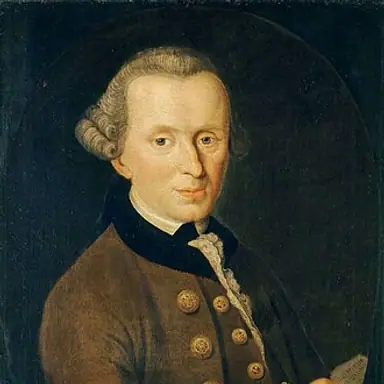
Immanuel Kant

1724–1804 · Germany

Kantian ethics

Kant locates evil in the will's free choice to subordinate the moral law to self-love. He speaks of a radical propensity to evil in human nature, which is chosen rather than inherited as guilt.

Evil lies in the maxims we adopt when we let our inclinations take priority over duty; it is a deep, self-incurred tendency in human beings, not an external force.

Source: Religion within the Boundaries of Mere Reason

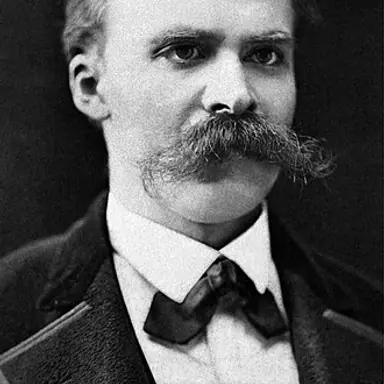
Friedrich Nietzsche

1844–1900 · Germany

Genealogy and existentialism

Nietzsche historicizes moral categories, arguing that the concept of evil arose from the resentment of the weak toward the strong. He contrasts it with the older opposition of good and bad as noble versus base.

Calling something evil is often a reactive judgment born of resentment, and we should ask who invented the label and what interests it serves.

Source: On the Genealogy of Morality

Ask your own

0 / 300