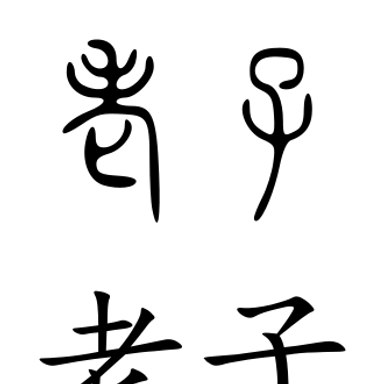
The Daoist tradition associated with Laozi favors yielding, humility, and avoiding needless conflict. Victory over an adversary should be treated with sorrow rather than triumph.
Soft and yielding approaches overcome the hard; if conflict is unavoidable, win without glorying, and mourn the cost as at a funeral.
Source: Tao Te Ching
The Daoist tradition associated with Laozi distrusts striving for status and accumulation. Harmony with the natural way, humility and knowing what is enough count as real achievement.
Those who contentedly follow the natural course and do not cling to fame or possessions are better off than those who chase and hoard.
Source: Dao De Jing
The traditionally attributed author of the Daodejing advocates living in harmony with the Dao through simplicity, humility, and non-forcing action (wu wei). Contentment comes from yielding and not striving against the natural flow of things.
Live simply and humbly, avoid forcing outcomes, and align yourself with the natural course of things rather than fighting it.
Source: Daodejing
The Daoist tradition associated with Laozi sees a good life as harmony with the Dao, the underlying way of things. Striving and grasping distort that harmony, while simplicity and responsiveness restore it.
Rather than seeking a fixed purpose, one should align with the natural flow of existence, acting without forcing and valuing humility and simplicity.
Source: Tao Te Ching
Attributed to Laozi, the Daodejing presents wisdom as alignment with the Dao, the natural way of things. It favors simplicity, humility, and non-forcing action over cleverness and accumulated learning.
The wise person yields, stays modest, and acts in harmony with nature instead of striving and forcing outcomes.
Source: Dao De Jing
The Daoist tradition associated with Laozi advises aligning with the natural flow of things rather than forcing outcomes. Humility, simplicity, and non-coercive action lead to a life in harmony.
Do less striving and more attuning; yield, stay simple, and let your life follow its natural course instead of imposing rigid ambitions.
Source: Tao Te Ching