Virtue ethics
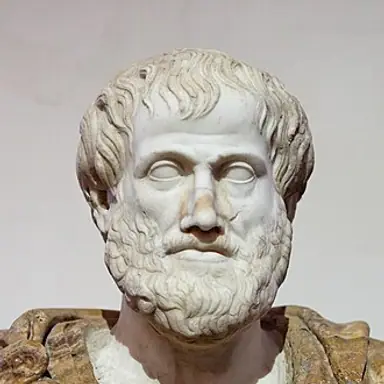
Aristotle held that the best life is one of eudaimonia, flourishing, achieved by exercising reason and the virtues over a whole lifetime. Happiness is an activity, not a feeling, and depends on habit, friendship, and adequate circumstances.
Figure out what excellence is distinctive to a human being and practice it consistently, in good company, across a full life.
Source: Nicomachean Ethics
Epicureanism
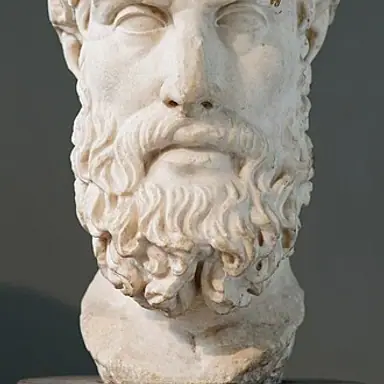
Epicurus argued that a good life aims at pleasure understood as tranquility and freedom from pain and fear. Simple living, friendship, and philosophical reflection achieve this better than ambition or luxury.
Live simply, cultivate close friendships, free yourself from needless fears, and do not chase wealth or status that cannot calm your mind.
Source: Letter to Menoeceus
Stoicism
Epictetus taught that we should separate what is up to us, our judgments and choices, from what is not. Peace and freedom come from focusing on the former and accepting the latter.
Put your energy into your own character and responses, and stop letting outcomes beyond your control dictate your contentment.
Source: Enchiridion
Confucianism
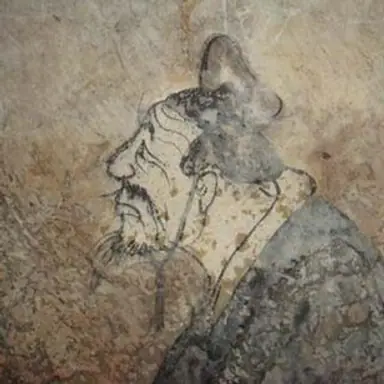
Confucius emphasized self-cultivation through learning, ritual, and benevolence within relationships and community. A meaningful life is one of moral growth and dutiful service to family and society.
Become a person of humaneness by studying constantly and fulfilling your roles toward others with sincerity and respect.
Source: Analects
Daoism
The Daoist tradition associated with Laozi advises aligning with the natural flow of things rather than forcing outcomes. Humility, simplicity, and non-coercive action lead to a life in harmony.
Do less striving and more attuning; yield, stay simple, and let your life follow its natural course instead of imposing rigid ambitions.
Source: Tao Te Ching
Buddhism
The Buddha taught that suffering arises from craving and attachment, and that a path of ethical conduct, meditation, and wisdom can end it. Life's aim is liberation and compassion rather than accumulation.
Loosen your grip on craving, act with kindness, and train your attention so that you suffer less and help others do the same.
Source: Dhammapada (attributed teachings)