Common ground
Where they agree
- None noted.
Philosophy · Meaning
Aristotle, Epicurus, Laozi, and Siddhartha Gautama (the Buddha) do not land in the same place. Their approaches draw on Greek philosophy, Epicureanism, Daoism, and Buddhism.
Answerability
No right answer
8 / 100
Common ground
Fault lines
The council
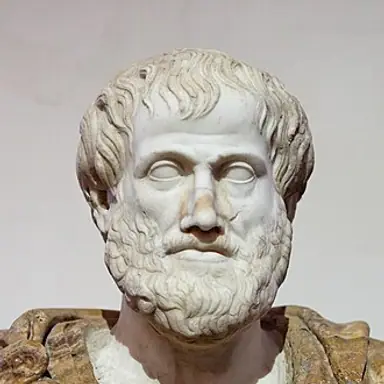
384–322 BCE · Greece
Greek philosophy
Aristotle approaches the question through eudaimonia, the flourishing proper to a rational being. A good life is one in which human capacities, especially reason and virtue, are exercised well over a whole lifetime.
Life's purpose is to live well by actively developing and exercising excellence of character and intellect, within a community of friends and citizens.
Source: Nicomachean Ethics
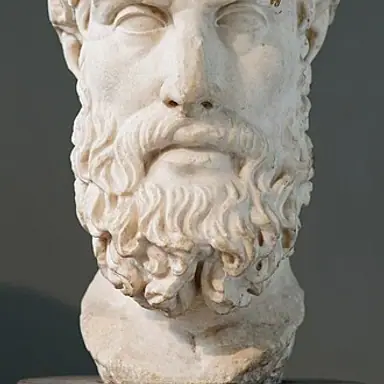
341–270 BCE · Greece
Epicureanism
Epicurus held that the aim of life is pleasure properly understood, meaning freedom from bodily pain and mental disturbance. Friendship, simple living, and freedom from fear of gods and death make this tranquility possible.
A meaningful life is a calm one, built on modest desires, good friends, and the recognition that death is nothing to us.
Source: Letter to Menoeceus
6th century BCE · China
Daoism
The Daoist tradition associated with Laozi sees a good life as harmony with the Dao, the underlying way of things. Striving and grasping distort that harmony, while simplicity and responsiveness restore it.
Rather than seeking a fixed purpose, one should align with the natural flow of existence, acting without forcing and valuing humility and simplicity.
Source: Tao Te Ching
Buddhism
The Buddha diagnosed life as marked by suffering arising from craving and attachment. Meaning lies in the path of ethical conduct, meditation, and wisdom that leads to liberation.
The point of life is to understand the causes of suffering and to cultivate insight and compassion so as to be freed from them.
Source: Dhammapada (attributed teachings)
North Africa
Christian theology
Augustine argued that human beings are made for God and that the heart is restless until it finds its end in him. Meaning is found in rightly ordered love directed toward the highest good.
Life's meaning is union with God; all lesser loves are fulfilled only when ordered toward that ultimate source.
Source: Confessions
Al-Andalus
Islamic philosophy
Through the story of a self-taught man raised alone on an island, Ibn Tufayl explores how reason and contemplation can lead to knowledge of the divine. Fulfillment comes from intellectual and spiritual union with the highest truth.
A person can discover life's purpose by using reason and reflection to come to know the ultimate reality and living in accord with it.
Source: Hayy ibn Yaqzan
Ask your own