Philosophy · Epistemology

What is wisdom?

These thinkers largely agree that wisdom starts with humility and clear sight, and that it shows up in how one lives rather than in mere information. They differ on whether it is reached through reason, attention, or harmony with nature, whether it is contemplative or practical, and whether it aims at flourishing, liberation, or the common good.

12 perspectivesClaude Sonnet 5.5Updated Oct 27, 2026A fresh run is rate limited and uses the same request limits as the rest of Perspective.

Answerability

No right answer

15 / 100

NoneContestedFactual

Common ground

Where they agree

  • Wisdom begins with humility and self-knowledge: Socrates, Confucius, Montaigne and Laozi all…
  • Wisdom is more than information: it is a quality of character and…
  • Wisdom involves seeing reality clearly rather than through illusion or ego, a…
  • Several thinkers link wisdom to moderation, restraint, and acceptance of what lies…
  • Many tie wisdom to care for others and ethical conduct, not just…

Fault lines

Where they differ

  • Source of wisdom: Averroes and Aristotle emphasize rigorous rational inquiry, while Laozi distrusts cleverness and accumulated learning, and Weil points to patient, receptive attention rather than effort of the intellect.
  • Theory versus practice: Aristotle and Aquinas give a high place to contemplative knowledge of ultimate causes, whereas Confucius, Epictetus, Montaigne and Sternberg focus on practical judgment in daily life and relationships.
  • Role of the divine: Aquinas treats wisdom as ordered to God and perfected by grace, and Averroes reconciles it with revelation, while Buddha, Epictetus, Montaigne and Sternberg ground it in human insight or natural order without a creator-centered account.
  • Aim of wisdom: Buddha and Schopenhauer aim at liberation from craving and suffering, Aristotle at flourishing, Confucius at social harmony and humaneness, Epictetus at inner freedom, and Sternberg at a common good.
  • Action versus withdrawal: Confucius and Sternberg see wisdom as active engagement in society, whereas Laozi and Schopenhauer favor yielding, detachment and a quiet life.
  • Certainty: Socrates and Montaigne treat wisdom as ongoing questioning and doubt, while Aquinas and Averroes hold that it culminates in secure knowledge of the highest truths.

The council

12 perspectives

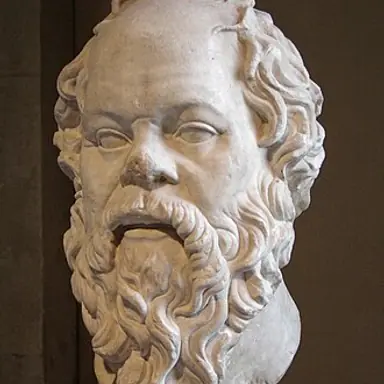
Socrates

c. 470–399 BCE · Greece

Classical Greek philosophy

Known through Plato's dialogues, Socrates treated wisdom as a kind of self-aware humility. He examined those reputed to be wise and found that real wisdom begins with recognizing the limits of one's own knowledge.

The wisest person is the one who knows how little they truly know, and who keeps questioning rather than assuming certainty.

Source: Apology (Plato)

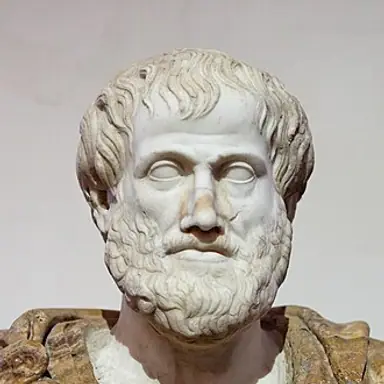
Aristotle

384–322 BCE · Greece

Peripatetic / Virtue ethics

Aristotle distinguished sophia, theoretical wisdom about the highest causes, from phronesis, practical wisdom in action. Both are intellectual virtues essential to a flourishing life.

Wisdom comes in two forms: contemplative grasp of the most fundamental truths, and the practical skill of judging well what to do in particular situations.

Source: Nicomachean Ethics

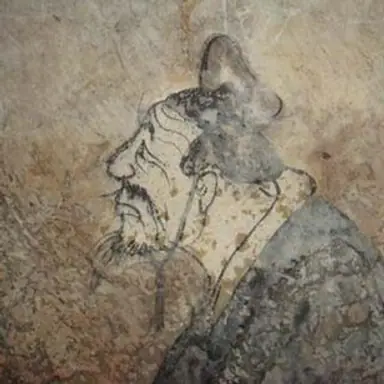
Confucius

551–479 BCE · China

Confucianism

Confucius linked wisdom (zhi) with humaneness (ren) and ritual propriety. Wisdom is knowing people and acting rightly within relationships, cultivated through learning and reflection.

Real wisdom means honestly recognizing what you know and what you don't, and pairing learning with thoughtful reflection and moral care for others.

Source: Analects

Laozi

6th century BCE · China

Daoism

Attributed to Laozi, the Daodejing presents wisdom as alignment with the Dao, the natural way of things. It favors simplicity, humility, and non-forcing action over cleverness and accumulated learning.

The wise person yields, stays modest, and acts in harmony with nature instead of striving and forcing outcomes.

Source: Dao De Jing

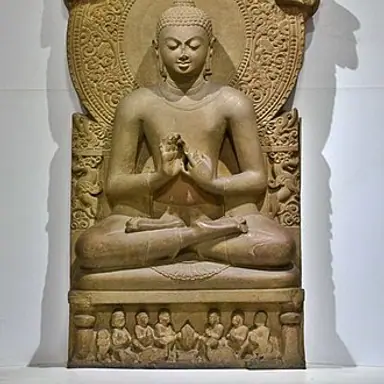
Buddhism

In Buddhist teaching, wisdom (prajna) is insight into impermanence, suffering, and non-self. It is one of the three trainings alongside ethical conduct and meditation, and leads to liberation.

Wisdom is seeing reality clearly as it is, including its impermanence, and thereby loosening craving and attachment that cause suffering.

Source: Dhammapada

Epictetus

Roman Empire (Greece)

Stoicism

Epictetus taught that wisdom lies in distinguishing what is within our control from what is not. The wise person aims at inner freedom through right judgment and acceptance of fate.

Being wise means focusing your effort on your own judgments and choices, and calmly accepting everything else that lies beyond your power.

Source: Enchiridion

Ask your own

0 / 300