Virtue ethics
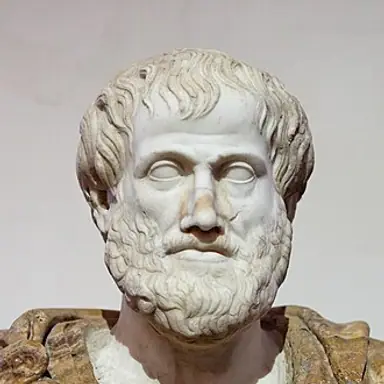
Aristotle argued that the best life is one of eudaimonia, or flourishing, achieved by exercising reason and the moral and intellectual virtues over a complete life. He saw humans as political animals who thrive in community with adequate friends and material resources.
A good life means developing your distinctive human capacities, especially reason and good character, and exercising them consistently, with friends and a community, across a whole lifetime.
Source: Nicomachean Ethics
Confucianism
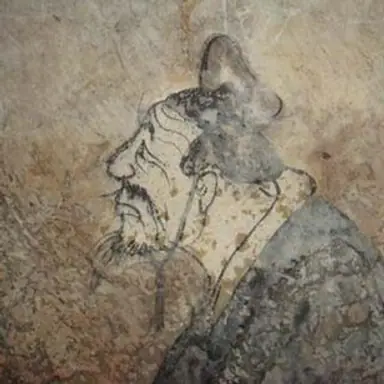
Confucius centered the good life on cultivating ren (humaneness), ritual propriety, and filial and social responsibility. Moral self-cultivation happens through relationships, learning, and example.
Live well by steadily refining your character, treating others with care and respect, honoring your roles and relationships, and never ceasing to learn.
Source: Analects
Buddhism
The Buddha taught that suffering arises from craving and attachment, and that a life of ethical conduct, mental discipline, and wisdom, the Eightfold Path, leads to freedom from it. The best life is a middle way between indulgence and severe asceticism.
Reduce suffering for yourself and others by loosening craving, acting with compassion and honesty, and training the mind through meditation and insight.
Source: Dhammapada (traditional collection of sayings)
Epicureanism
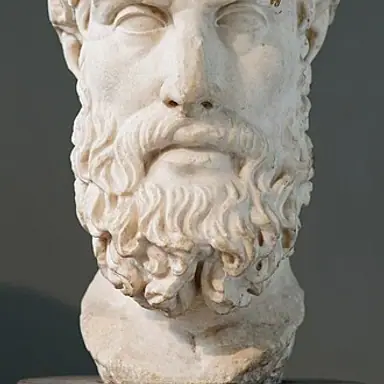
Epicurus held that the good life is pleasure properly understood: tranquility of mind and absence of bodily pain. This is achieved through simple living, friendship, and freeing oneself from irrational fears such as fear of death and the gods.
Seek calm, lasting contentment rather than extravagance: keep your desires modest, cherish friends, and dispel fears that needlessly disturb you.
Source: Letter to Menoeceus
Stoicism
Epictetus taught that we should distinguish what is up to us, our judgments and intentions, from what is not, such as reputation and fortune. Freedom and serenity come from focusing on the former and accepting the latter.
Put your effort into your own choices and attitudes, and meet everything outside your control with calm acceptance.
Source: Enchiridion
Daoism
The traditionally attributed author of the Daodejing advocates living in harmony with the Dao through simplicity, humility, and non-forcing action (wu wei). Contentment comes from yielding and not striving against the natural flow of things.
Live simply and humbly, avoid forcing outcomes, and align yourself with the natural course of things rather than fighting it.
Source: Daodejing