Virtue ethics
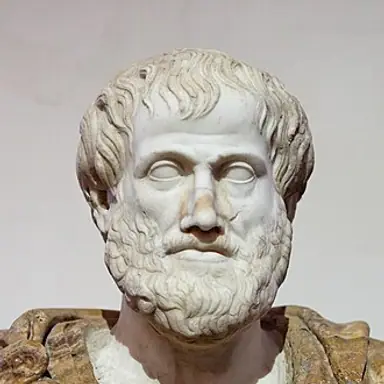
Aristotle links a successful life to eudaimonia, flourishing achieved through the active exercise of virtue and reason over a complete life. External goods help, but they are not the core.
A person succeeds when they live well over a whole lifetime by exercising their rational and moral capacities, not by collecting wealth or honors.
Source: Nicomachean Ethics
Confucianism
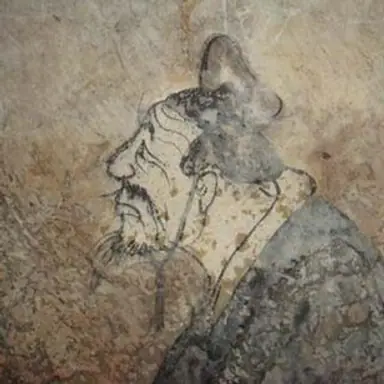
Confucius treats success as moral cultivation and the fulfilment of one's roles in family and society. The exemplary person is measured by character and benevolence rather than rank.
True success is becoming a person of ren, humane and dutiful, whose conduct improves those around them, whatever their official standing.
Source: Analects
Daoism
The Daoist tradition associated with Laozi distrusts striving for status and accumulation. Harmony with the natural way, humility and knowing what is enough count as real achievement.
Those who contentedly follow the natural course and do not cling to fame or possessions are better off than those who chase and hoard.
Source: Dao De Jing
Stoicism
Epictetus separates what is up to us from what is not. Success lies in the quality of our judgments and choices, not in outcomes governed by fortune.
If you direct your effort at your own will and attitudes, and accept the rest calmly, no outcome can take your success away from you.
Source: Enchiridion
Buddhism
The Buddha diagnoses craving and attachment as the source of dissatisfaction. Success is progress toward freedom from suffering through ethical conduct, meditation and wisdom.
Gaining worldly things does not end dissatisfaction; loosening craving and cultivating clarity and compassion does.
Source: Dhammapada
Political realism
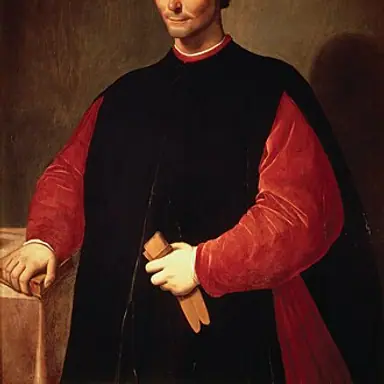
Machiavelli evaluates success in terms of effectiveness in acquiring and keeping power, combining skill (virtù) with the management of fortune. Results often judge actions in public life.
A ruler succeeds by adapting boldly to circumstances and holding the state, and people tend to judge such leaders by their outcomes.
Source: The Prince