Christianity
Jesus, as reported in the Gospels, radically reoriented the ethics of enmity. Rather than reciprocating harm, his followers are called to respond to hostility with goodwill and generosity.
Respond to those who hate you with love and prayer, because breaking the cycle of retaliation reflects the character of a God who is kind even to the ungrateful.
Source: Gospel of Matthew (Sermon on the Mount)
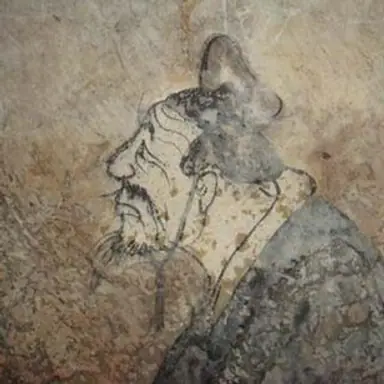
Confucianism
Confucius emphasized justice and proportion over sentimental forgiveness. He sought a balance between moral integrity and reciprocity in dealing with those who wrong us.
Do not repay injury with kindness as if wrongs mattered not at all; answer injury with fairness, and repay kindness with kindness.
Source: Analects
Daoism
The Daoist tradition associated with Laozi favors yielding, humility, and avoiding needless conflict. Victory over an adversary should be treated with sorrow rather than triumph.
Soft and yielding approaches overcome the hard; if conflict is unavoidable, win without glorying, and mourn the cost as at a funeral.
Source: Tao Te Ching
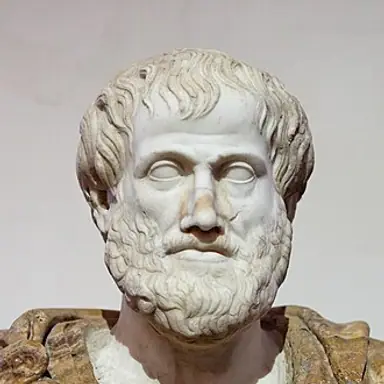
Greek virtue ethics
Aristotle held that the virtuous person feels anger at the right things, toward the right people, to the right degree. Neither excessive meekness nor rage is admirable.
Respond to wrongdoers with measured anger, neither being a pushover who tolerates insult nor a hothead who overreacts.
Source: Nicomachean Ethics
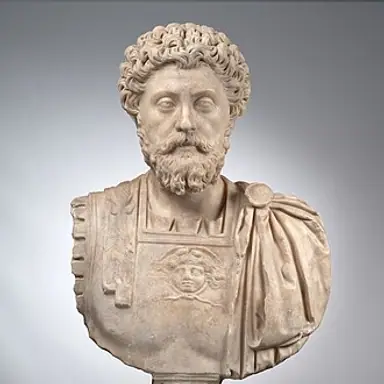
Stoicism
The Stoic emperor argued that people who wrong us act from ignorance and that real harm comes only from our own judgments. The best response is to remain good and not become like the offender.
The finest revenge is refusing to resemble the one who wronged you; remember that we are made to cooperate, even with those who act badly.
Source: Meditations
Political realism
Machiavelli offered a hard-headed view of adversaries in politics. He argued that half-measures against dangerous enemies invite future retaliation.
Minor injuries invite revenge while severe ones remove the capacity for it, so if you must harm an enemy, do it decisively rather than leave a wounded rival.
Source: The Prince