Greek virtue ethics
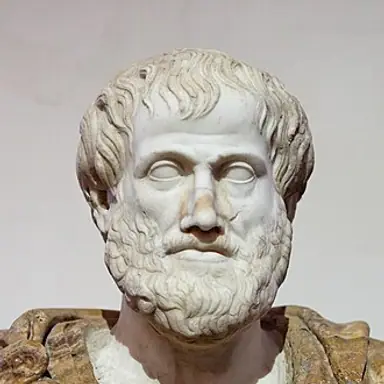
Aristotle treats anger as a fitting response to genuine injury, so long as it is felt toward the right person, to the right degree, and at the right time. The virtuous person is neither a pushover nor consumed by resentment.
Someone who never feels anger at being wronged is defective, not saintly; the aim is measured anger, and forgiveness fits when the wrongdoer's act was involuntary or the response has been proportionate.
Source: Nicomachean Ethics
Stoicism
Seneca argues that anger is a destructive passion that harms the one who bears it more than its target. He recommends clemency and the recognition that wrongdoers act from error and that we ourselves are flawed.
Letting go of the urge for revenge protects your own peace of mind, and remembering your own faults makes mercy toward others easier.
Source: On Anger (De Ira)
Christianity
In the Gospel accounts, Jesus teaches forgiveness as a central and nearly unlimited obligation, tied to the forgiveness one hopes to receive. Enemies are to be loved and prayed for rather than repaid.
Forgive repeatedly and without keeping score, because your own pardon is bound up with your willingness to pardon others.
Source: Gospel of Matthew
Zen Buddhism
He teaches that understanding the suffering behind a person's harmful actions dissolves anger and makes compassion possible. Holding on to resentment is like holding a burning coal.
When you see how the one who hurt you was shaped by their own pain and confusion, forgiveness arises naturally and frees you first.
Source: Anger: Wisdom for Cooling the Flames
Jewish law and ethics
Maimonides sets out the conditions of repentance (teshuvah): the wrongdoer must acknowledge the wrong, make amends, and ask forgiveness. The wronged person is then expected not to be cruel and to forgive.
Forgiveness is a response to sincere repentance; once the offender has honestly sought pardon, withholding it becomes a fault in itself.
Source: Mishneh Torah (Laws of Repentance)
Existentialist philosophy
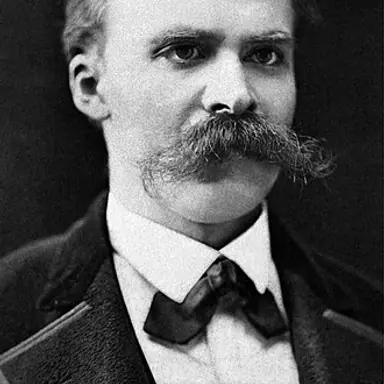
Nietzsche is suspicious of forgiveness when it springs from weakness and disguised ressentiment. He admires a strong person who simply lets slights pass, or who does not feel the need to forgive at all.
Forgiveness born of powerlessness is a moral pose; real strength shows in not being poisoned by grievance in the first place.
Source: On the Genealogy of Morality