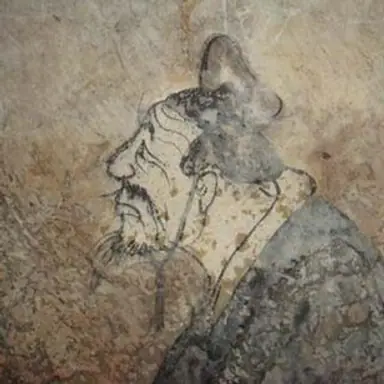
Aristotelian virtue ethics
Aristotle saw the household and family as a natural stage in human flourishing, a setting where friendship, virtue and shared life develop. Raising children is part of the larger life of a political animal, though it is not the only route to a good life.
A fulfilled life usually includes family bonds, because caring for offspring exercises virtues that solitary life cannot, but it must be pursued with practical wisdom about one's circumstances.
Source: Nicomachean Ethics
Confucianism
In the Confucian tradition, family relationships are the root of moral cultivation. Filial piety and the continuation of the family line are central to a meaningful human life.
Becoming fully human happens through relationships of reciprocal duty, and raising the next generation is a core way of honoring those who came before and shaping those who follow.
Source: Analects
Epicureanism
Epicurus prized tranquility and friendship, and reportedly counseled the wise to be wary of the anxieties that family life and public affairs can bring. Reports of his view are mixed, and the question turns on what secures lasting peace of mind.
Choose whatever path leaves you least disturbed and most able to enjoy simple pleasures and friends; children are a risk to that calm for some people and a source of joy for others.
Source: Letter to Menoeceus
Christian theology
Augustine regarded marriage and procreation as genuine goods, though he ranked consecrated celibacy higher. He treated children as a gift and a responsibility within a life ordered toward God.
Having children is a real good when received as a gift and raised with love, yet it is not the highest calling, and a life can be wholly meaningful without it.
Source: On the Good of Marriage
Kantian ethics
Kant argued that parents owe duties to the children they bring into the world, because creating a person without consent imposes obligations of care. He saw procreation as an act carrying heavy moral responsibility rather than a mere preference.
Bringing a person into existence binds you to look after their welfare and development, so the decision must be made with a sober sense of that obligation.
Source: The Metaphysics of Morals
Pessimism
Schopenhauer held that life is dominated by striving and suffering, driven by a blind will that uses sexual desire to perpetuate itself. On this view, procreation serves the species' will rather than the individual's happiness.
The urge to have children is nature's trick to keep the cycle of striving going, so one should question whether it serves one's own good or only the will to live.
Source: The World as Will and Representation