Relationships · Ethics

What is love?

These thinkers largely agree that love is an orientation toward some good beyond the self and that it shapes character, but they differ over whether that good is Beauty, God, nature or another person. They also split on whether love is an uncontrollable passion or a chosen practice, and on whether it dissolves the self or depends on two free, equal people.

12 perspectivesClaude Sonnet 5.5Updated Oct 27, 2026A fresh run is rate limited and uses the same request limits as the rest of Perspective.

Answerability

No right answer

12 / 100

NoneContestedFactual

Common ground

Where they agree

  • Love is more than a passing feeling: for most of these thinkers…
  • Many treat love as willing or seeking the good of another or…
  • Several see love as a path beyond the narrow self, whether upward…
  • Fromm, hooks, Kierkegaard and Aristotle all stress that love involves commitment and…
  • Plato, Aristotle, Augustine, Aquinas and Kierkegaard all link love to ethical or…

Fault lines

Where they differ

  • Whether love is fundamentally a lack or longing (Plato, Sappho, Rumi) or a giving of goodwill (Aristotle, Aquinas, Fromm, hooks).
  • Whether love is ultimately directed to the divine (Augustine, Aquinas, Rumi) or primarily concerns relations between human beings (Aristotle, Beauvoir, Fromm, hooks).
  • Whether romantic love is a noble stage of ascent (Plato), a deceptive biological instrument (Schopenhauer), or a social trap for women (Beauvoir).
  • Whether love should be preferential and based on the beloved's qualities (Aristotle's virtue friendship) or independent of them (Kierkegaard's neighbor-love).
  • Whether love is mainly an overwhelming passion beyond control (Sappho, Rumi) or a disciplined skill and chosen ethic (Fromm, hooks, Kierkegaard).
  • Whether love dissolves the self (Rumi, in part Augustine) or requires two intact, free selves (Beauvoir, hooks).
  • Spinoza defines love as joy tied to a cause and values rational understanding, whereas Rumi and Sappho emphasize ecstasy and suffering.

The council

12 perspectives

Plato

c. 428–348 BCE · Greece

Platonism

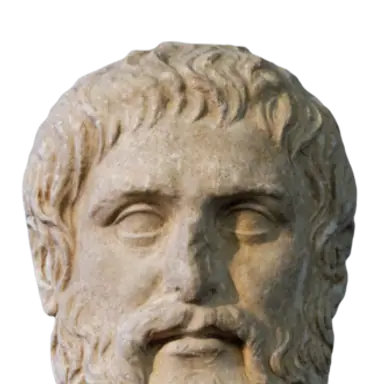
In the Symposium, Plato presents love (eros) as a desire for beauty and the good that can be refined step by step. It begins with attraction to a single body and ascends toward contemplation of beauty itself.

Love is a longing for what we lack, and properly educated it leads the soul upward from particular beautiful things to the eternal form of Beauty.

Source: Symposium

Aristotle

384–322 BCE · Greece

Aristotelian virtue ethics

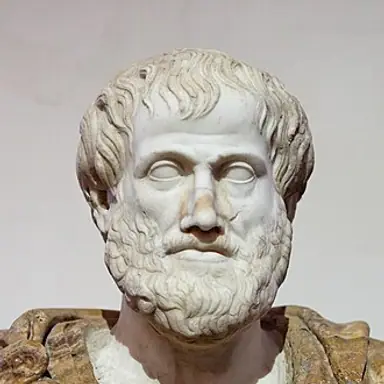
Aristotle treats love mainly as philia, friendship, and distinguishes friendships of utility, pleasure, and virtue. The highest form involves mutual goodwill between people who value each other for their character.

The truest love is wishing good for another for their own sake, sustained over time by shared virtue and a shared life.

Source: Nicomachean Ethics

Augustine of Hippo

North Africa

Christian Neoplatonism

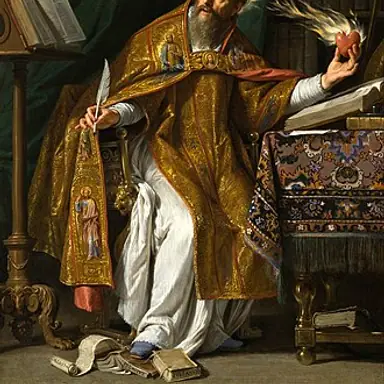
Augustine sees love as the fundamental motion of the human will, which shapes who we are. Rightly ordered love directs itself to God first and to other things in God.

We are what we love; the heart is restless until its loves are rightly ordered and it rests in God.

Source: Confessions

Thomas Aquinas

1225–1274 · Italy

Scholasticism

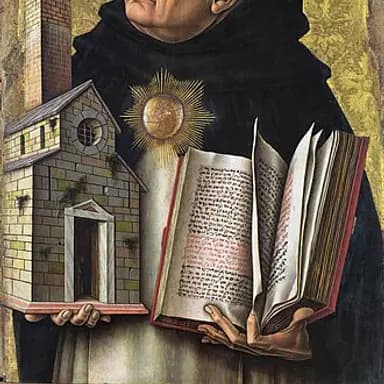
Aquinas defines love as willing the good of another and analyzes it as the root of all other passions. He integrates Aristotelian friendship with Christian charity.

To love is to will good to someone, and charity is a friendship between humans and God that shapes all other loves.

Source: Summa Theologiae

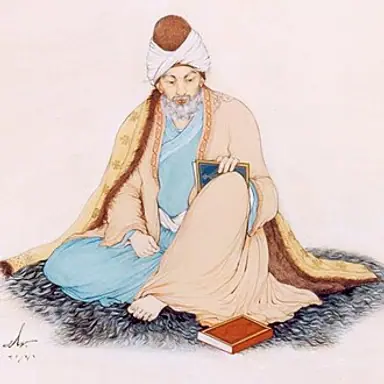
Rumi

1207–1273 · Persia/Anatolia

Sufi mysticism

Rumi's poetry treats love as the force that dissolves the ego and draws the soul toward union with the divine. Human love serves as a doorway to that greater longing.

Love is a burning that consumes the self and returns the lover to the Beloved, the source from which all things come.

Source: Masnavi

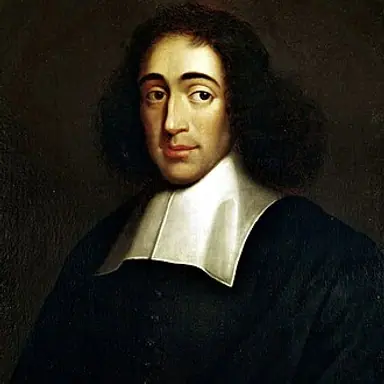
Baruch Spinoza

1632–1677 · Netherlands

Rationalism

Spinoza defines love as joy accompanied by the idea of an external cause. He culminates in the intellectual love of God, which is the understanding of nature itself.

Love is the gladness we feel toward whatever we take to be the cause of our flourishing, and its highest form is the joy of understanding all things as part of nature.

Source: Ethics

Ask your own

0 / 300