Common ground
Where they agree
- None noted.
Society · Political philosophy
Cicero, Augustine of Hippo, Thomas Aquinas, and Francisco de Vitoria do not land in the same place. Their approaches draw on Roman Stoic-influenced republicanism, Christian theology, Scholasticism, and School of Salamanca.
Answerability
Contested
50 / 100
Common ground
Fault lines
The council
Rome
Roman Stoic-influenced republicanism
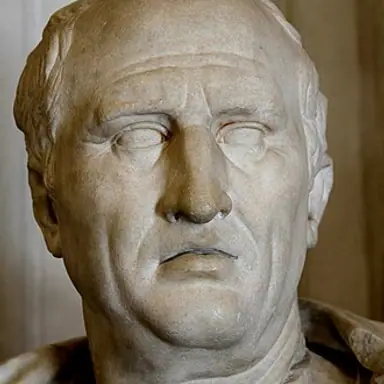
Cicero treated war as legitimate only when pursued to secure peace and redress injury, and insisted that it be conducted according to fixed obligations of good faith. He stressed formal declaration and restraint toward the defeated.
War is justified only as a last resort after discussion fails, must be openly declared, and must aim at a peace that is secure and fair, with mercy shown to those who yield.
Source: De Officiis
North Africa
Christian theology
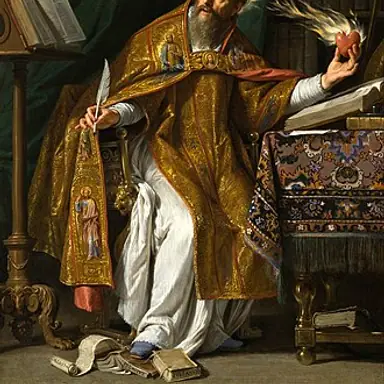
Augustine argued that war can be morally permissible when it punishes wrongdoing and restores peace, provided the inner motive is not cruelty or lust for domination. Authority and right intention matter as much as outward cause.
A war is just when waged under legitimate authority to correct a grave wrong and restore peace, while the fighters are free from hatred and love of violence.
Source: The City of God
1225–1274 · Italy
Scholasticism
Aquinas systematized earlier thinking into three conditions for just war, forming the backbone of later just war theory. He grounded them in natural law and the common good.
War is permissible if declared by a legitimate sovereign, fought for a just cause such as answering serious wrong, and driven by a right intention aimed at good rather than vengeance.
Source: Summa Theologiae
Spain
School of Salamanca
Vitoria applied just war reasoning to the Spanish conquest of the Americas, rejecting religious difference or desire for territory as grounds for war. He also limited harm to non-combatants.
Differences of faith or the wish to expand an empire never justify war; only a real injury can, and the harm inflicted must stay proportionate and spare the innocent.
Source: De Indis
Netherlands
Natural law and international law
Grotius sought to ground rules of war in natural law accessible to reason, independent of theology. He listed legitimate causes such as defense, recovery of property, and punishment, and argued that law binds even in war.
Even in war there are legal and moral limits; only defense, recovering what is owed, or punishing wrong supply just reasons, and rules of conduct bind all sides.
Source: De Jure Belli ac Pacis
1724–1804 · Prussia
Enlightenment moral philosophy
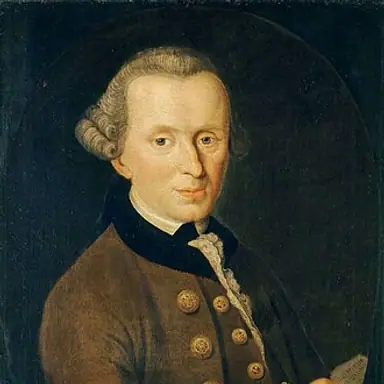
Kant was skeptical of a right to war as such and sought a legal order that would make war obsolete. He still held that conduct in war should not destroy the possibility of future trust and peace.
States should aim at a federation of free republics that ends war; meanwhile, methods such as assassination or treachery are forbidden because they make later peace impossible.
Source: Perpetual Peace
Ask your own