Greek virtue ethics
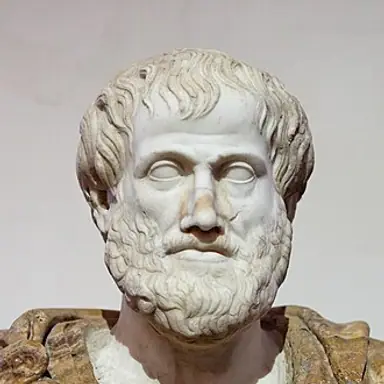
Aristotle treats equality as proportional justice rather than strict sameness. Liberty matters as part of citizenship, but a good political order balances claims of freedom, wealth and merit.
Justice means treating equals equally and unequals in proportion to their relevant differences, so neither raw equality nor unlimited freedom is the highest aim.
Source: Politics
Social contract theory
Rousseau argues that inequality of wealth and power corrupts and enslaves, undermining real freedom. True liberty is obedience to a law one gives oneself among rough equals.
Liberty cannot survive where some are rich enough to buy others and others poor enough to be sold, so a degree of equality is a precondition of freedom.
Source: The Social Contract
Classical liberalism
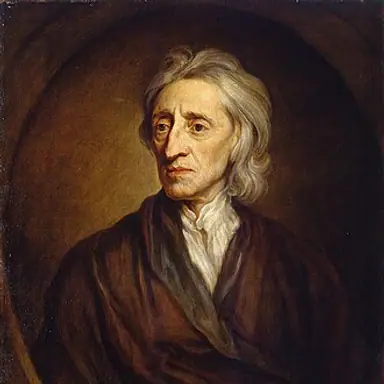
Locke grounds politics in natural liberty and a basic equality of persons, with no one naturally subject to another. Government exists to protect life, liberty and property, giving liberty priority over distributive aims.
People are equal in their standing as free beings, and the state's job is to secure that freedom, not to level out outcomes.
Source: Two Treatises of Government
Liberal political sociology
Tocqueville saw equality of conditions as the irresistible force of modern democracy. He feared that the passion for equality could tempt people to trade liberty for security under soft despotism.
Democratic peoples love equality more fiercely than freedom, and unless they guard liberty through associations and local self-government, equality may leave them docile.
Source: Democracy in America
Utilitarian liberalism
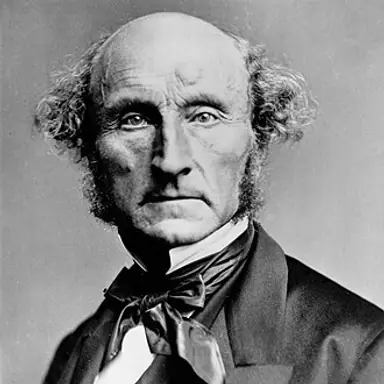
Mill defends individual liberty as essential to human development and social progress, yet also argues for women's equality and sympathizes with cooperative economic reform.
Society may limit a person's freedom only to prevent harm to others, and equal freedom for all, including women, is what lets human potential flourish.
Source: On Liberty
Marxism
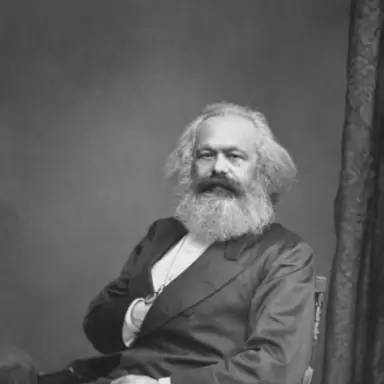
Marx criticizes formal liberal liberty as hollow under capitalism, where economic class domination limits real freedom. He sees overcoming class inequality as the path to genuine human emancipation.
Legal rights to freedom mean little for workers who must sell their labor to survive; real liberty requires abolishing class relations.
Source: On the Jewish Question