Analytic philosophy
Bostrom formulated the modern simulation argument as a trilemma. He holds that at least one of three propositions must be true, and that this forces us to take the simulation hypothesis seriously without proving it.
Either civilizations almost never reach the ability to run vast ancestral simulations, or those that do almost never choose to, or we are very probably simulated minds ourselves.
Source: Are You Living in a Computer Simulation?
Greek philosophy
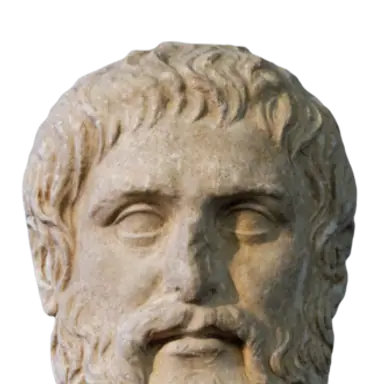
Plato's allegory of the cave imagines people who take shadows on a wall for reality. It is an ancient precursor to simulation worries, suggesting appearances may be a pale copy of a truer order.
Most people may be mistaking images for reality, and philosophy is the hard climb toward seeing what actually grounds those images.
Source: Republic
Rationalism
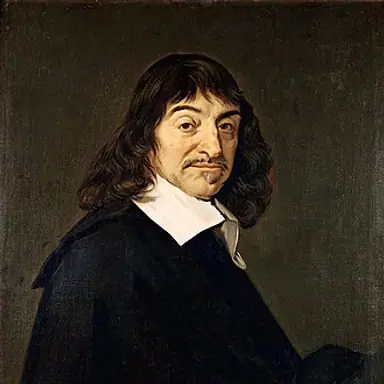
Descartes entertained the evil demon hypothesis, in which all sensory experience is a deception. He used this radical doubt to find a point of certainty in the thinking self.
Even if a powerful deceiver fabricated everything I perceive, the fact that I am thinking guarantees that I exist.
Source: Meditations on First Philosophy
Daoism
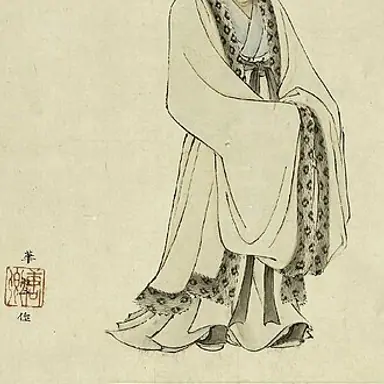
Zhuangzi's butterfly dream story questions whether we can tell waking life from dreaming. He treats the uncertainty with equanimity rather than anxiety.
Having dreamed of being a butterfly, one cannot be sure whether one is a man who dreamed or a butterfly now dreaming, and the difference may matter less than we think.
Source: Zhuangzi
Analytic philosophy
Chalmers argues that a simulated world would be fully real, not an illusion. Simulation is a hypothesis about the underlying nature of reality, not a claim that nothing exists.
If we are simulated, tables and stars still exist; they are just made of digital processes, so the hypothesis changes metaphysics without destroying reality.
Source: Reality+: Virtual Worlds and the Problems of Philosophy
Analytic philosophy
Putnam's brain-in-a-vat argument uses semantic externalism to claim that a envatted brain could not meaningfully express the thought that it is a brain in a vat. The skeptical scenario thus undermines itself.
Words get their reference through causal links to the world, so a permanently envatted being's statement about vats would not refer to real vats, making the skeptical claim self-refuting.
Source: Reason, Truth and History