Deontology
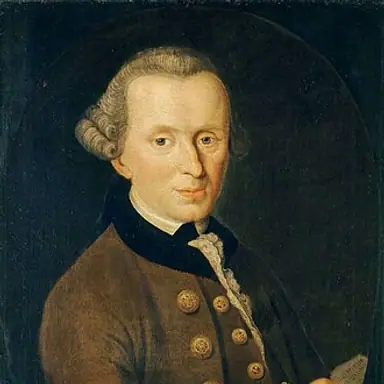
Kant held that the moral worth of an action lies in its conformity to duty and universalizable principles, not in its results. Persons must never be treated merely as tools for achieving goals.
Good outcomes cannot redeem an act that treats people as mere instruments; morality rests on principles that everyone could rationally will, whatever the consequences.
Source: Groundwork of the Metaphysics of Morals
Utilitarianism
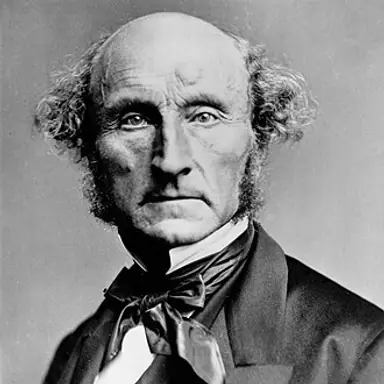
Mill argued that actions are right insofar as they promote happiness and wrong insofar as they produce the reverse. Means are judged by their consequences, though he stressed rules and rights as safeguards of long-term welfare.
What makes an action right is the overall happiness it brings, so means are justified by results, but the best results usually come from respecting justice and liberty.
Source: Utilitarianism
Political realism
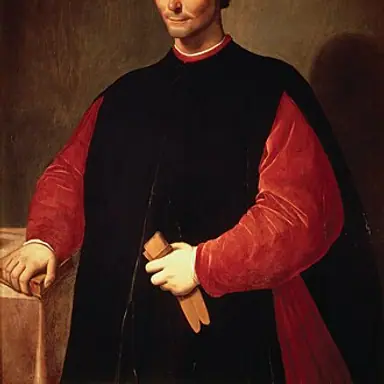
Machiavelli observed that rulers who keep to conventional virtue can be ruined in a world of dangerous people. He judged political action largely by whether it secures and preserves the state.
A leader responsible for the safety of the state may have to do harsh things, and success in preserving order will be what people finally judge him by.
Source: The Prince
Utilitarianism
Bentham founded classical utilitarianism, proposing that pleasure and pain are the measure of right and wrong. Any means is assessed by its contribution to the greatest happiness of the greatest number.
No act is good or bad in itself; only the balance of pleasure and pain it produces counts, so means are valid when they yield the greatest total welfare.
Source: An Introduction to the Principles of Morals and Legislation
Sociology / political ethics
Weber distinguished an ethic of conviction from an ethic of responsibility. Politicians, he said, must weigh the foreseeable consequences of their acts while living with the moral cost of the means they use, especially force.
Political actors cannot hide behind pure intentions; they must answer for results, yet they also carry the tragic burden of the morally dubious means politics requires.
Source: Politics as a Vocation
Nonviolence / Hindu ethics
Gandhi insisted that means and ends are inseparable, like seed and tree. Impure means, however noble the goal, corrupt the result.
You reap what you sow: violence or deceit used for a good cause will shape and spoil the very goal it was meant to reach.
Source: Hind Swaraj