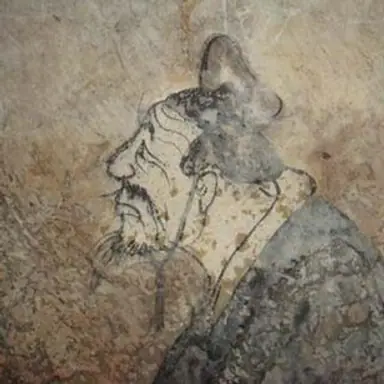
For Confucius, meaning arises from fulfilling roles within family and society with sincerity and ritual propriety. Diligent service, learning, and self-cultivation in one's station are part of becoming a moral person.
Doing one's duties well in relationships and public roles, with care and self-cultivation, is a main path to a worthwhile life.
Source: Analects
Confucius held that good government begins with the moral cultivation of rulers, who lead by example rather than coercion. Social harmony arises from proper roles, ritual, and benevolence.
A ruler who is personally upright and caring will draw people to virtue more reliably than one who relies on punishments and decrees.
Source: Analects
Confucius emphasized justice and proportion over sentimental forgiveness. He sought a balance between moral integrity and reciprocity in dealing with those who wrong us.
Do not repay injury with kindness as if wrongs mattered not at all; answer injury with fairness, and repay kindness with kindness.
Source: Analects
Confucius emphasizes cultivating oneself in order to serve family, community, and state. Personal growth and social usefulness are meant to reinforce each other through ritual, learning, and humaneness.
Study and refine yourself so that you can be of real service to others; a person's worth shows in how they fulfil their roles with care and integrity.
Source: Analects
In the Confucian tradition, family relationships are the root of moral cultivation. Filial piety and the continuation of the family line are central to a meaningful human life.
Becoming fully human happens through relationships of reciprocal duty, and raising the next generation is a core way of honoring those who came before and shaping those who follow.
Source: Analects
Confucius stressed cultivating virtue and acting rightly through ritual propriety and humaneness rather than pursuing profit or results at any cost. The manner of acting reflects and shapes moral character.
The exemplary person asks what is right, not merely what pays; achieving a goal by dishonorable means is no real achievement.
Source: Analects
Confucius grounds obligation in roles and relationships such as parent and child, ruler and subject, friend and friend. Moral life is cultivated through ritual, reciprocity, and care for those near us, extending outward.
What you owe depends on your place in a web of relationships, and you fulfil it by practicing respect and humaneness, treating others as you would wish to be treated.
Source: Analects
For Confucius, duty arises from roles and relationships such as parent and child, ruler and subject, friend and friend. Fulfilling them with sincerity, ritual propriety and benevolence cultivates a moral person and a harmonious society.
Duty is the faithful living out of the obligations attached to your place in the web of human relationships, carried out with care and respect.
Source: Analects
In the Confucian tradition friendship is one of the five key human relationships. It is a bond of mutual moral cultivation, in which friends encourage each other toward virtue and are chosen for their honesty and learning.
One should befriend those who are upright, trustworthy and well-informed, and avoid flatterers, because friends shape our character.
Source: Analects
For Confucius, justice is bound up with righteousness (yi) and proper conduct in relationships. Moral rulers cultivate virtue and govern by example rather than coercion.
A just order arises when people, especially rulers, act rightly within their roles and relationships, valuing what is appropriate over mere profit.
Source: Analects
Confucius treats success as moral cultivation and the fulfilment of one's roles in family and society. The exemplary person is measured by character and benevolence rather than rank.
True success is becoming a person of ren, humane and dutiful, whose conduct improves those around them, whatever their official standing.
Source: Analects
Confucius centered the good life on cultivating ren (humaneness), ritual propriety, and filial and social responsibility. Moral self-cultivation happens through relationships, learning, and example.
Live well by steadily refining your character, treating others with care and respect, honoring your roles and relationships, and never ceasing to learn.
Source: Analects
Confucius linked wisdom (zhi) with humaneness (ren) and ritual propriety. Wisdom is knowing people and acting rightly within relationships, cultivated through learning and reflection.
Real wisdom means honestly recognizing what you know and what you don't, and pairing learning with thoughtful reflection and moral care for others.
Source: Analects
Confucius placed the good life in moral self-cultivation within relationships. Through ritual, learning, filial respect and benevolence (ren), a person becomes a exemplary human being and contributes to social harmony.
We live well by steadily cultivating humaneness and propriety in our dealings with family, friends and rulers, so that character and community improve together.
Source: Analects
Confucius emphasized self-cultivation through learning, ritual, and benevolence within relationships and community. A meaningful life is one of moral growth and dutiful service to family and society.
Become a person of humaneness by studying constantly and fulfilling your roles toward others with sincerity and respect.
Source: Analects