Deontology
Kant held that lying violates the duty of truthfulness and treats others as mere means. He argued the prohibition is categorical, admitting no exception even for a murderer at the door.
A lie corrupts the very possibility of trust and rational communication, so no consequence, however sympathetic, can make it permissible.
Source: On a Supposed Right to Lie from Philanthropy
Christian philosophy
Augustine argued that every lie is a sin because speech exists to convey what one thinks. He distinguished kinds of lies by gravity but refused to approve any as right.
Words are given so that minds can be disclosed to one another, so deliberately saying what you believe false misuses that gift, even for a good end.
Source: On Lying
Scholasticism
Aquinas classed lies as officious, jocose, or malicious and held all to be sinful in kind, though differing in severity. He allowed concealing the truth or speaking evasively when justice or charity requires.
Asserting a falsehood is always wrong, yet one need not reveal everything; prudent silence or discretion can protect others without lying.
Source: Summa Theologiae
Greek philosophy
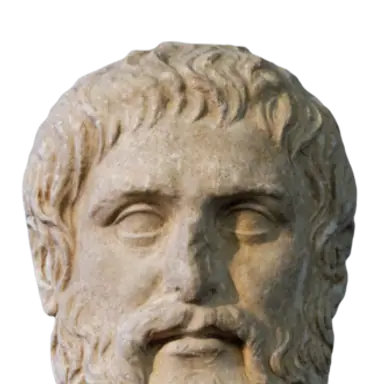
Plato condemned the true lie in the soul but allowed rulers to use falsehood for the good of the city. His noble lie myth and talk of lying as medicine reveal a political exception.
Deceiving the soul about what is real is the worst falsehood, yet a guardian may use a useful fiction or medicinal untruth to secure civic harmony.
Source: Republic
Liberalism
Constant criticized the absolute duty of truth-telling, arguing that duties correlate with rights. He held that no one has a right to a truth that would harm others.
The obligation to tell the truth only holds toward those entitled to it, so someone seeking to do harm has no claim on an honest answer.
Source: Des réactions politiques
Utilitarianism
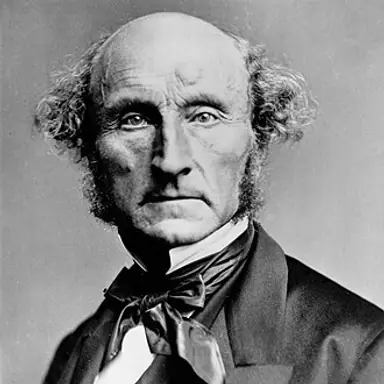
Mill judged actions by their tendency to promote happiness. He regarded truthfulness as extremely valuable for social trust but accepted rare exceptions where deception averts great harm.
Honesty usually serves the general good so strongly that lying is seldom justified, yet when a falsehood prevents serious harm, the principle of utility can permit it.
Source: Utilitarianism