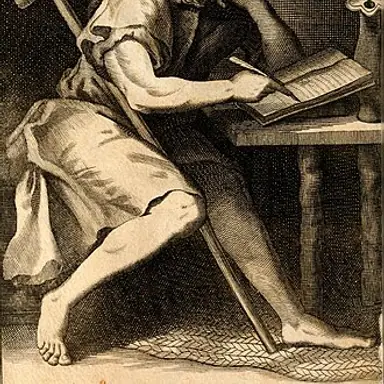
Epictetus teaches that we should focus on what is in our control, chiefly our character and choices. Duty and role-based responsibility matter more than chasing desires or outcomes.
Ask what role you have been given and play it well; passion is less reliable than steady virtue, and usefulness follows from acting rightly within your circumstances.
Source: Enchiridion
Epictetus holds that duty follows from the roles we occupy, as citizen, child, sibling or parent, and that we should perform them well while accepting what lies beyond our control. Virtue lies in the quality of our choices within those roles.
Ask what your roles require of you and do that well, leaving outcomes to fate.
Source: Discourses
A former slave, Epictetus argues that freedom is an inner condition. It consists in distinguishing what is up to us, our judgments and choices, from what is not. External masters cannot enslave a mind that wants nothing beyond its control.
You are free to the extent that you desire only what lies within your own power, since whoever depends on things others control remains their servant.
Source: Discourses
Epictetus separates what is up to us from what is not. Success lies in the quality of our judgments and choices, not in outcomes governed by fortune.
If you direct your effort at your own will and attitudes, and accept the rest calmly, no outcome can take your success away from you.
Source: Enchiridion
Epictetus taught that we should distinguish what is up to us, our judgments and intentions, from what is not, such as reputation and fortune. Freedom and serenity come from focusing on the former and accepting the latter.
Put your effort into your own choices and attitudes, and meet everything outside your control with calm acceptance.
Source: Enchiridion
Epictetus taught that wisdom lies in distinguishing what is within our control from what is not. The wise person aims at inner freedom through right judgment and acceptance of fate.
Being wise means focusing your effort on your own judgments and choices, and calmly accepting everything else that lies beyond your power.
Source: Enchiridion
Epictetus taught that what matters is distinguishing what is up to us, our judgments and choices, from what is not. Tranquility and freedom come from accepting external events and focusing on virtuous action.
A good life belongs to the person who stops demanding that the world obey them and instead governs their own beliefs and responses well.
Source: Enchiridion
Epictetus taught that we should separate what is up to us, our judgments and choices, from what is not. Peace and freedom come from focusing on the former and accepting the latter.
Put your energy into your own character and responses, and stop letting outcomes beyond your control dictate your contentment.
Source: Enchiridion
Epictetus held that distress comes less from events than from our judgments about them. He urged distinguishing what is in our control from what is not.
We suffer chiefly because we value things beyond our control; correct our judgments and much of the pain loses its hold.
Source: Enchiridion