Buddhism
The Buddha taught that suffering (dukkha) is a basic feature of conditioned existence. He traced it to craving and ignorance, and proposed a practical path to its cessation.
Suffering arises because we cling to impermanent things as if they could last; when craving and ignorance are released, suffering can end.
Source: Dhammacakkappavattana Sutta
Christian theology
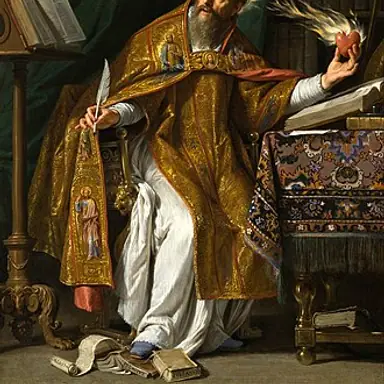
Augustine argued that God created a good world and that evil is not a substance but a privation of good. Suffering follows from the misuse of free will and the fall of humanity.
Evil is a lack of good rather than a thing in itself, and suffering enters the world through the turning of free creatures away from God.
Source: Confessions
Epicureanism
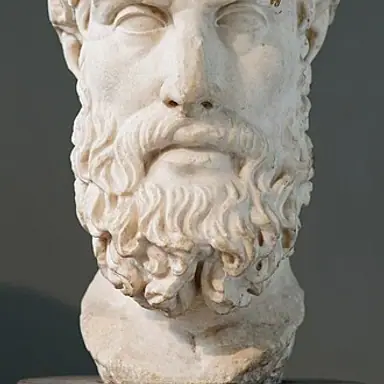
Epicurus saw suffering as a natural part of embodied life, not a divine punishment. He sought to reduce it by limiting desires and removing groundless fears, especially of gods and death.
Much of our suffering comes from needless fears and excessive desires, and a simple life with friends can lessen it considerably.
Source: Letter to Menoeceus
Stoicism
Epictetus held that distress comes less from events than from our judgments about them. He urged distinguishing what is in our control from what is not.
We suffer chiefly because we value things beyond our control; correct our judgments and much of the pain loses its hold.
Source: Enchiridion
German pessimism
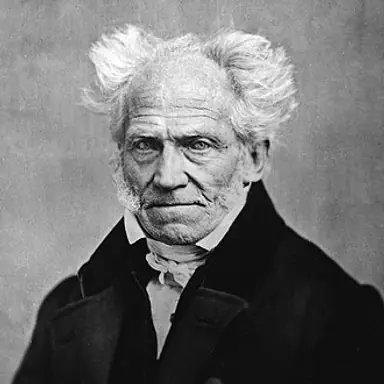
Schopenhauer saw the world as driven by a blind, insatiable will. Constant striving and dissatisfaction make suffering the basic condition of life, relieved only by art, compassion, and ascetic denial.
Because existence is driven by endless wanting that can never be fully satisfied, suffering is built into life itself.
Source: The World as Will and Representation
Rationalist theodicy
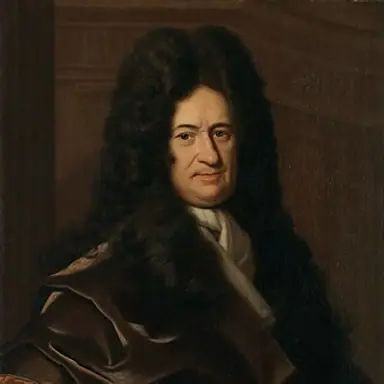
Leibniz coined the term theodicy for justifying God given evil. He argued that God chose the best possible world, in which some evils are necessary conditions of a greater overall good.
Among all possible worlds this one has the best balance of goods, and the suffering in it is part of what makes that whole best.
Source: Theodicy