Ethics · Meaning

What makes a good life?

These thinkers largely agree that a good life is not about luxury, honors or fleeting pleasure, and many stress friendship, character and some freedom from disturbance. They split over whether the good is virtue, pleasure, duty, tranquility, liberation, self-created meaning or divine union, and over how much it depends on society and external conditions.

12 perspectivesClaude Sonnet 5.5Updated Oct 27, 2026A fresh run is rate limited and uses the same request limits as the rest of Perspective.

Answerability

No right answer

12 / 100

NoneContestedFactual

Common ground

Where they agree

Fault lines

Where they differ

  • Pleasure: Epicurus makes pleasure, understood as freedom from pain and disturbance, the goal, and Mill ranks higher pleasures above lower ones. Aristotle and Kant deny that pleasure or happiness is the core of the good life, and Kant ranks moral worth above it.
  • Self versus relationships: Epictetus and the Buddha locate the good life in inner mastery or the loosening of attachment. Confucius and Aristotle ground it in roles, institutions and shared civic life.
  • Source of value: Aristotle, Confucius and Aquinas see a given human nature, social order or divine purpose as setting the standard. Nietzsche and Beauvoir say individuals must create or take responsibility for their own values.
  • Ultimate end: Aquinas holds that full fulfillment lies beyond this life in union with God. Aristotle, Confucius, Epicurus and Mill keep the good life within this world, and Epicurus rejects fear of divine judgment.
  • Suffering and externals: Epictetus and the Buddha seek to be unaffected by suffering, in different ways. Nietzsche calls for affirming suffering as part of growth, while Nussbaum insists that some material conditions must be secured.
  • Conventional morality: Confucius upholds ritual and propriety, and Kant upholds universal duty. Zhuangzi and Nietzsche are suspicious of fixed conventional judgments, and Nietzsche rejects herd morality.
  • Role of society: Nussbaum and Mill give a structural role to justice and liberty in securing everyone's chance at a good life, while Epicurus advises withdrawal from ambition and public life.

The council

12 perspectives

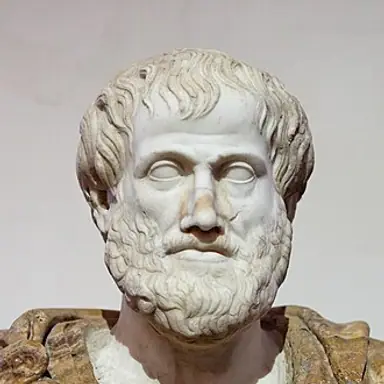
Aristotle

384–322 BCE · Greece

Virtue ethics

Aristotle held that the good life is eudaimonia, a flourishing that comes from exercising reason and the moral and intellectual virtues over a complete lifetime. External goods like friends, health and modest wealth support it but do not constitute it.

A good life is one spent actively using our distinctively human capacities well, in company with others and with enough circumstances to allow it, rather than merely feeling pleasure or collecting honors.

Source: Nicomachean Ethics

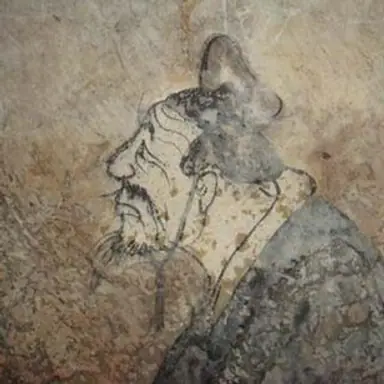
Confucius

551–479 BCE · China

Confucianism

Confucius placed the good life in moral self-cultivation within relationships. Through ritual, learning, filial respect and benevolence (ren), a person becomes a exemplary human being and contributes to social harmony.

We live well by steadily cultivating humaneness and propriety in our dealings with family, friends and rulers, so that character and community improve together.

Source: Analects

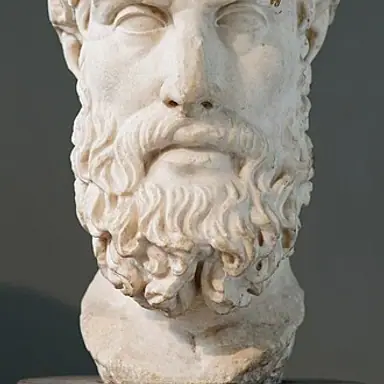
Epicurus

341–270 BCE · Greece

Epicureanism

Epicurus argued that the good life is a pleasant one, understood chiefly as freedom from bodily pain and mental disturbance. Simple living, friendship and understanding nature dispel fear of the gods and death.

Happiness comes from modest desires satisfied, good friends, and a mind freed from groundless fears, not from luxury or ambition.

Source: Letter to Menoeceus

Epictetus

Roman Empire (Greece)

Stoicism

Epictetus taught that what matters is distinguishing what is up to us, our judgments and choices, from what is not. Tranquility and freedom come from accepting external events and focusing on virtuous action.

A good life belongs to the person who stops demanding that the world obey them and instead governs their own beliefs and responses well.

Source: Enchiridion

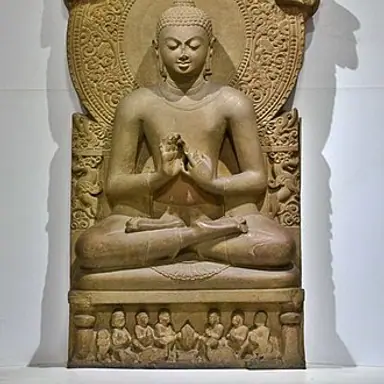
Buddhism

The Buddha taught that suffering arises from craving and attachment, and that a good life follows the Eightfold Path of right view, conduct and mindfulness. Compassion and insight lead toward liberation from suffering.

Living well means loosening grasping and aversion through ethical conduct, meditation and wisdom, so that suffering lessens for oneself and others.

Daoism

Zhuangzi saw the good life as spontaneous harmony with the Dao, free from rigid conventional judgments of success and status. Flexibility, playfulness and acceptance of change and death mark the sage.

We thrive by letting go of narrow human valuations and moving with the natural flow of things, at ease with whatever transformation comes.

Source: Zhuangzi

Ask your own

0 / 300