Work and meaning · Ethics

Should I follow my passion or be useful?

Most of these thinkers reject a sharp split between passion and usefulness. They hold that a well-lived life joins developed gifts, inner commitment and service to others, though they weight the two sides differently. Kierkegaard and Mill lean toward authentic self-realization, while Epictetus, Weil, Kant, Luther, the Gita and Singer lean toward duty, role and the good you can do.

12 perspectivesClaude Sonnet 5.5Updated Oct 27, 2026A fresh run is rate limited and uses the same request limits as the rest of Perspective.

Answerability

No right answer

12 / 100

NoneContestedFactual

Common ground

Where they agree

  • Almost all of them treat the choice between passion and usefulness as…
  • Aristotle, Confucius, Aquinas and Mill hold that developing your own gifts and…
  • Confucius, Epictetus, the Gita, Luther and Weil place real weight on duty…
  • Weber and the Gita agree that the spirit in which you work…
  • Aristotle, Aquinas, Kant and Singer all expect reason and judgment, not impulse…

Fault lines

Where they differ

  • Kierkegaard puts passionate inwardness first: you must find the task you can stake your whole self on. Epictetus and Weil distrust passion or personal ambition and stress duty, role and attentive service.
  • Singer and Mill (as utilitarians) judge a career by the good it does overall, so passion is secondary for Singer. For Mill, individuality is valuable partly because it enriches society.
  • Kant treats moral worth as lying in acting from duty rather than inclination, though he also counts developing your talents as a duty. Aristotle sees fulfilment and virtue as naturally aligned with what you enjoy doing well.
  • Luther holds that any honest trade serving a neighbour is a sacred calling, so ordinary usefulness is no lesser path. Weber and Kierkegaard give more weight to fervent personal devotion to a cause.
  • Epictetus locates the answer in accepting the role your circumstances give you. Aristotle, Aquinas and Mill give more room to choosing a path that fits your distinctive abilities.
  • Singer would let large unmet needs override personal fulfilment, while Aristotle and Aquinas see fulfilment as part of the good life rather than something to be traded off.

The council

12 perspectives

Aristotle

384–322 BCE · Greece

Greek virtue ethics

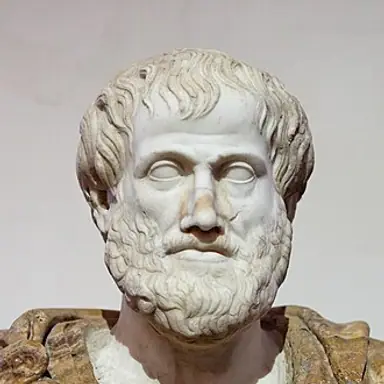
Aristotle ties a good life to eudaimonia, flourishing through activity that expresses excellence. He sees fulfilment and contribution to the community as linked rather than opposed, since humans are political animals.

A flourishing life comes from exercising your distinctive excellences well, and because we live within a community, the best use of your talents also serves the shared good.

Source: Nicomachean Ethics

Confucius

551–479 BCE · China

Confucianism

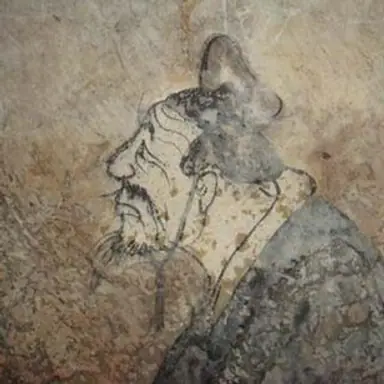
Confucius emphasizes cultivating oneself in order to serve family, community, and state. Personal growth and social usefulness are meant to reinforce each other through ritual, learning, and humaneness.

Study and refine yourself so that you can be of real service to others; a person's worth shows in how they fulfil their roles with care and integrity.

Source: Analects

Epictetus

Roman Empire

Stoicism

Epictetus teaches that we should focus on what is in our control, chiefly our character and choices. Duty and role-based responsibility matter more than chasing desires or outcomes.

Ask what role you have been given and play it well; passion is less reliable than steady virtue, and usefulness follows from acting rightly within your circumstances.

Source: Enchiridion

Hindu philosophy

The Gita presents the doctrine of acting according to one's dharma without attachment to the fruits of action. Right action is neither self-indulgent desire nor withdrawal, but dutiful work offered selflessly.

Do the work that is yours to do, wholeheartedly, and release your grip on the rewards; the inner stance matters more than the choice between desire and duty.

Source: Bhagavad Gita

Thomas Aquinas

1225–1274 · Italy

Scholastic Christian philosophy

Aquinas holds that humans are ordered toward the good and ultimately toward God, and that vocations differ in gifts and roles. Work is good when it serves the common good and fits one's nature.

Our inclinations point toward real goods, and different people are suited to different tasks; the best path joins your natural gifts with service of the common good.

Source: Summa Theologica

Protestant Reformation

Luther recast ordinary work as a calling through which one loves and serves neighbours. Usefulness in everyday occupations is itself a sacred vocation.

Any honest trade done in service of your neighbour is a calling before God, so being useful is not a lesser path than a lofty passion.

Source: On the Freedom of a Christian

Ask your own

0 / 300