Work and meaning · Ethics

Does work give life meaning?

The thinkers largely agree that work alone does not guarantee meaning, and that its conditions, purpose, and balance with leisure or other pursuits matter. They split between those who see work or vocation as central (Marx, Luther, Confucius, Gandhi, Weil), those who rank leisure, contemplation, or action higher (Aristotle, Arendt, Russell, Pieper), and those who find meaning in one's stance toward it (Camus, Frankl), while Weber diagnoses how its religious meaning faded.

12 perspectivesClaude Sonnet 5.5Updated Oct 27, 2026A fresh run is rate limited and uses the same request limits as the rest of Perspective.

Answerability

No right answer

15 / 100

NoneContestedFactual

Common ground

Where they agree

  • Almost none of them treats work as meaningless in itself; most see…
  • Marx, Weil, and Arendt hold that the conditions and kind of work…
  • Aristotle, Russell, and Pieper agree that leisure, contemplation, or receptive stillness is…
  • Luther, Confucius, and Gandhi agree that ordinary duties and labor gain significance…
  • Frankl, Camus, Arendt, and Aristotle share the view that meaning is not…
  • Weber and Marx both observe that modern capitalist societies have reshaped work…

Fault lines

Where they differ

  • Work as the source of meaning: Marx, Luther, Confucius, and Gandhi treat work or one's calling as central to a meaningful life, while Russell, Pieper, and Aristotle place the highest meaning in leisure, culture, or contemplation.
  • Religious versus secular grounding: Luther and Weil root work's meaning in a relationship to God or spiritual reality, and Weber describes that religious grounding as having faded, whereas Marx, Russell, and Camus look for meaning without any transcendent anchor.
  • Manual labor: Weil and Gandhi elevate physical labor as spiritually and morally central, while Aristotle ranks necessity-driven labor below contemplation and Arendt ranks mere laboring below work and action.
  • Cause of the problem: Marx locates the loss of meaning in capitalist ownership and alienation, Weber in the fading of religious motivation, Arendt in the dominance of laboring and consumption, and Pieper in a culture of total work.
  • Role of the absurd: Camus holds that no work supplies cosmic meaning and that meaning comes from defiant revolt, while Luther, Confucius, and Gandhi assume a moral or divine order that makes work meaningful.
  • Plurality of sources: Frankl insists work is only one route among love, beauty, and the stance toward suffering, whereas Marx treats free creative labor as the core of human nature.

The council

12 perspectives

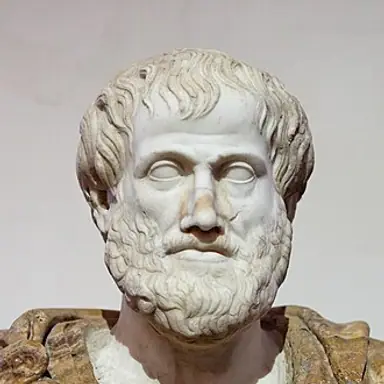
Aristotle

384–322 BCE · Greece

Aristotelian virtue ethics

Aristotle ties a good life to activity in accordance with virtue and reason, but he ranks contemplation above productive labor. Work needed for necessity is a means, while leisure is where the highest human ends are pursued.

Meaning comes from exercising our rational and moral capacities well; labor that only serves necessity falls short, and leisure spent in contemplation is the higher aim.

Source: Nicomachean Ethics

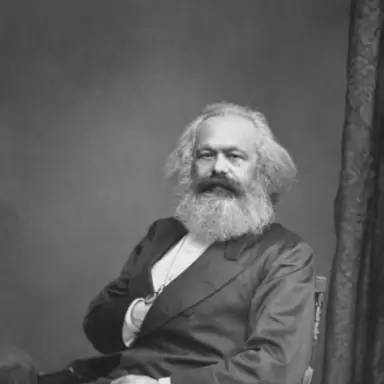
Karl Marx

Germany

Marxism

Marx saw free, creative labor as the core of human nature, the way people express and develop themselves. Under capitalism, however, work becomes alienated and strips people of control over their products and their own activity.

Work could be the fullest expression of human life, but when it is forced and owned by others it empties life of meaning instead of supplying it.

Source: Economic and Philosophic Manuscripts of 1844

Max Weber

Germany

Sociology

Weber traced how the Protestant idea of a calling turned worldly labor into a moral and spiritual duty. Over time, he argued, this religious meaning faded and left a disciplined work ethic without its original purpose.

Work once felt meaningful because it was a sacred vocation; in modern society the devotion survives while the transcendent justification has drained away.

Source: The Protestant Ethic and the Spirit of Capitalism

Hannah Arendt

Germany/United States

Political philosophy

Arendt distinguished labor, work, and action. Labor sustains biological life, work builds a lasting world, and action in public with others is where distinctly human meaning appears. She worried modern society reduces everything to laboring.

Not all toil is equal: making durable things and especially acting and speaking among peers give life significance, while endless laboring for consumption does not.

Source: The Human Condition

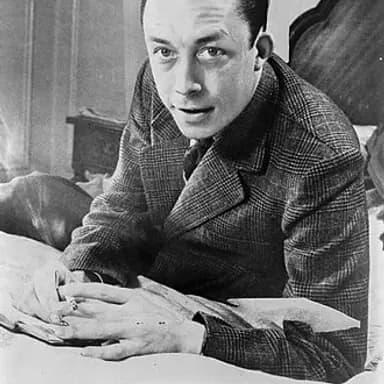
Albert Camus

1913–1960 · France/Algeria

Absurdism

Camus held that the universe offers no given meaning and that repetitive toil can mirror the absurd. Yet he proposed that we can revolt, live fully, and find value in the struggle itself.

Labor does not hand us cosmic meaning, but facing even a repetitive task with lucid defiance can make a life worth living.

Source: The Myth of Sisyphus

Christian mysticism and labor thought

After working in factories, Weil argued that physical labor can bring a person into contact with necessity and reality, and that it ought to be the center of a healthy civilization. Yet she documented how industrial conditions crush attention and dignity.

Manual work can be the most spiritually serious contact with the real world, but only if conditions let workers think and keep their dignity.

Source: The Need for Roots

Ask your own

0 / 300