Platonism
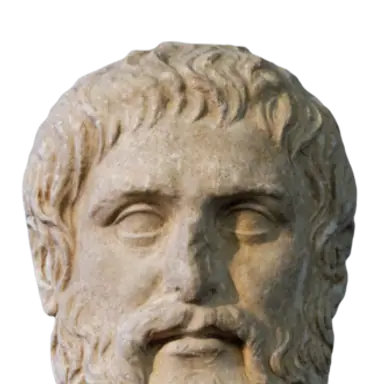
Plato treats beauty as an objective reality that draws the soul upward. Earthly beautiful things awaken love, which can lead the lover from bodies to souls, to laws, and finally to beauty itself.
Beauty is a timeless Form; beautiful things merely share in it, and loving them rightly is a ladder toward the eternal.
Source: Symposium
Peripatetic
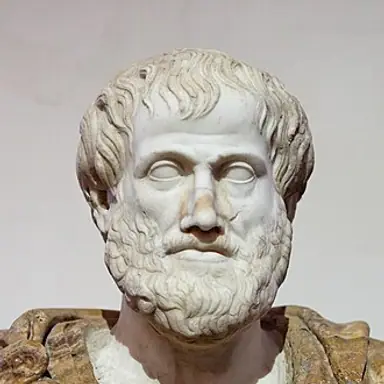
Aristotle links beauty to order, proportion, and definiteness, qualities found in well-made wholes. He grounds it in the observable structure of things rather than a separate realm.
A thing is beautiful when its parts are arranged in a fitting order and size, so that it forms a unified, graspable whole.
Source: Poetics
Neoplatonism
Plotinus rejects the idea that beauty is mere symmetry of parts. For him it is the shining presence of intelligible unity and the One in material things.
Beauty is the radiance of higher spiritual order showing through matter, and it calls the soul to turn inward and ascend.
Source: Enneads
Scholasticism
Aquinas ties beauty to the pleasure of knowing. He identifies integrity, proportion, and clarity as its marks, rooted ultimately in God.
The beautiful is what pleases when it is seen or understood, owing to wholeness, right proportion, and brightness.
Source: Summa Theologiae
Islamic philosophy
Avicenna connects beauty with perfection and goodness of being. The more fully a thing realizes its nature, the more beautiful it is, with the Necessary Existent as supreme beauty.
Beauty is the fulfillment of a thing's proper perfection, and the highest beauty belongs to the first principle of all being, which is loved by all.
Source: The Metaphysics of The Healing
Empiricism
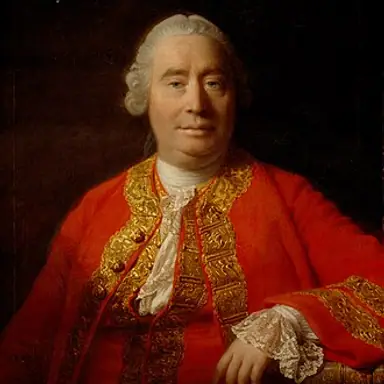
Hume locates beauty in the feeling of the observer rather than in objects. Yet he argues that a standard of taste emerges from the joint verdicts of skilled, unprejudiced critics.
Beauty is not a property out there but a sentiment in us, though refined judges tend to converge on what deserves admiration.
Source: Of the Standard of Taste