Greek philosophy
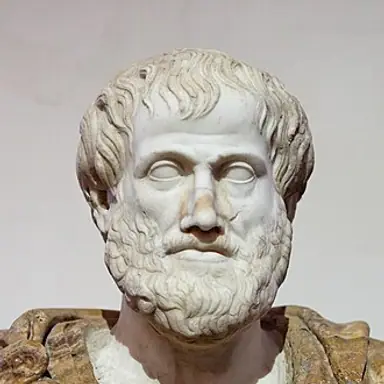
Aristotle treats voluntary action as action whose origin lies in the agent who knows what they are doing. Moral responsibility follows from this, and character is built through habituated choices.
People are responsible for what they do knowingly and without compulsion, since the source of the action is within them; even our settled characters come from earlier choices we made.
Source: Nicomachean Ethics
Epicureanism
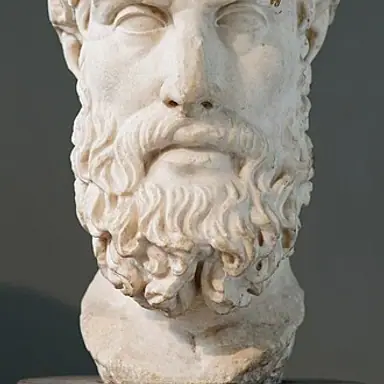
Epicurus accepted an atomist physics but resisted strict determinism, which he thought would undermine responsibility. His followers introduced a random atomic swerve to make room for agency.
If everything were fixed by necessity, praise and blame would make no sense, so nature must leave some room for events that are not wholly predetermined.
Source: Letter to Menoeceus
Christian theology
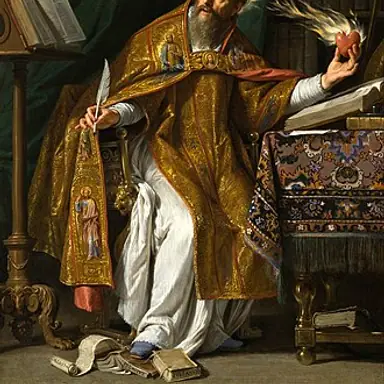
Augustine argued that the will is free in choosing, and that evil comes from its misuse rather than from God. Later he emphasized that fallen human will needs divine grace to choose the good.
We genuinely will our own actions, and sin is our responsibility, yet after the Fall the will cannot turn toward goodness without grace.
Source: On Free Choice of the Will
Scholasticism
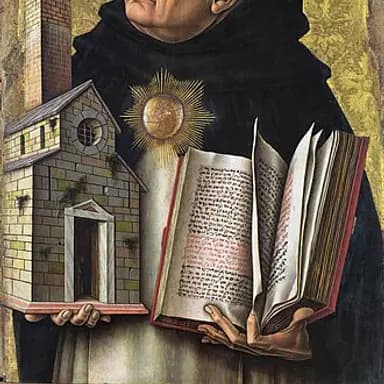
Aquinas held that humans act through reason and will, choosing among goods presented by the intellect. He saw divine providence and human freedom as compatible because God works through secondary causes.
Because we can deliberate about different goods, our choices are our own, and God's governance operates through rather than against our freedom.
Source: Summa Theologiae
Islamic theology (Ash'arism)
Al-Ash'ari sought a middle path between the Mu'tazilites, who stressed human autonomy, and strict fatalists. His doctrine of acquisition holds that God creates acts while humans 'acquire' them, which grounds responsibility.
God creates every act, but the human being appropriates it through acquisition, and this is what makes the person accountable.
Source: Kitab al-Luma
Classical compatibilism
Hobbes defined liberty as the absence of external impediments to action. On this view, a fully caused action can still be free if the agent is not obstructed or coerced.
Being free means nothing stops you from doing what you want; that your wants have causes does not remove your liberty.
Source: Leviathan