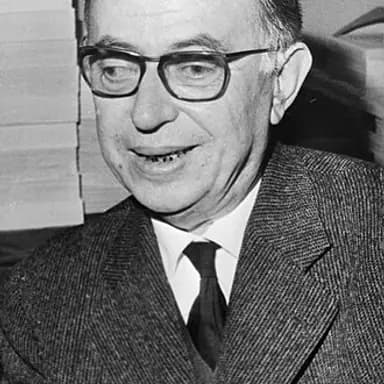
1913–1960 · France/Algeria
Absurdism
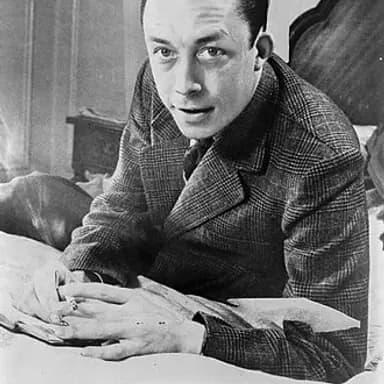
Camus argued that the absurd arises from the clash between humanity's longing for meaning and the silent, indifferent universe. He rejected both suicide and religious leaps of faith, advocating conscious revolt and living fully without appeal.
Life is absurd because we crave reason and the world offers none, yet the right response is to keep living in defiance, finding fulfillment in the struggle itself.
Source: The Myth of Sisyphus
Analytic philosophy
Nagel holds that absurdity comes from the collision between our serious commitment to our lives and our ability to step back and see that this seriousness can be doubted. He thinks the right response is irony rather than heroism or despair.
We are absurd creatures because we can view our own earnest striving from an outside standpoint that makes it look arbitrary, and we should meet this with wry detachment.
Source: The View from Nowhere
Christian existentialism
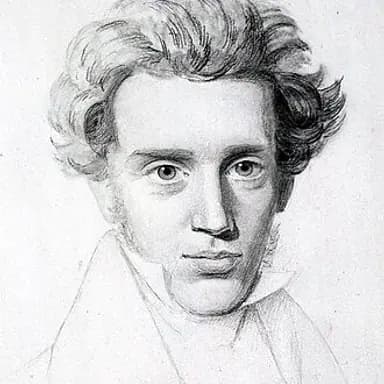
Kierkegaard saw existence as full of paradox that reason cannot resolve. He proposed a leap of faith, embracing the absurd through commitment to God, as the way to live authentically.
Reason hits a wall in the face of existence, and the individual must make a passionate leap of faith that holds the absurd within it.
Source: Fear and Trembling
German pessimism
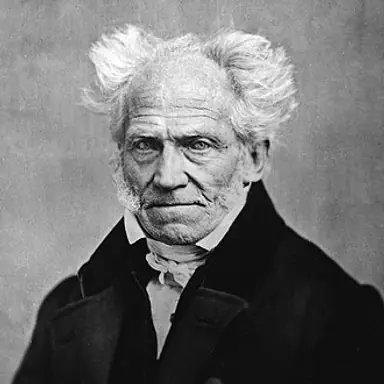
Schopenhauer viewed life as driven by a blind, purposeless will that produces endless striving and suffering. Meaning is not found in the world, though aesthetic contemplation, compassion and asceticism offer relief.
Existence is an aimless striving that cannot satisfy us, so release comes only by quieting desire through art, compassion and renunciation.
Source: The World as Will and Representation
Existentialism/Perspectivism
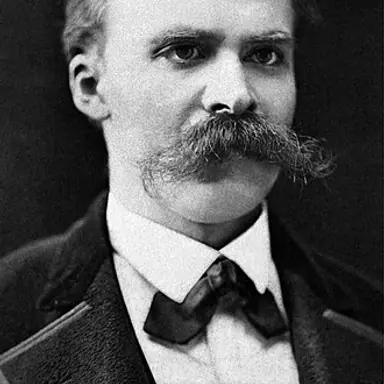
Nietzsche diagnosed nihilism after the death of God but refused despair. He urged the creation of one's own values and the affirmation of life, even through the thought of eternal recurrence.
The world has no built-in meaning, but that frees us to create values and to love our fate so fully that we would live it again.
Source: Thus Spoke Zarathustra
Existentialism
Sartre claimed existence precedes essence: there is no preset human purpose, and we are condemned to be free. Life lacks given meaning, but we are responsible for giving it one through our choices.
Nothing justifies our existence in advance, so meaning is something we make through free action, with no excuses to hide behind.
Source: Being and Nothingness