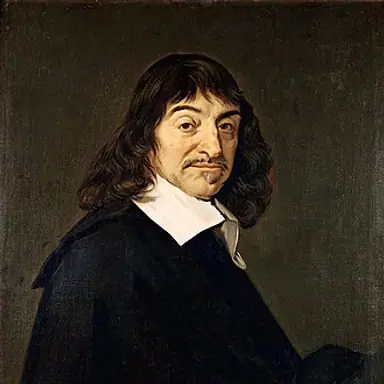
Rationalism
Descartes used radical doubt to strip away every belief that could possibly be false. He found that the act of doubting itself reveals a thinking subject, giving a first indubitable foundation on which to rebuild knowledge.
Even if an evil deceiver tricks me about everything, I cannot be deceived about the fact that I exist while I am thinking; this is the bedrock of certainty.
Source: Meditations on First Philosophy
Pyrrhonian Skepticism
Sextus systematized Pyrrhonian skepticism, arguing that for every claim an equally persuasive opposing claim can be found. The proper response is to suspend judgment, which brings tranquility.
Since opposing arguments seem equally strong on any dogmatic question, we should withhold assent and keep inquiring rather than claim certainty.
Source: Outlines of Pyrrhonism
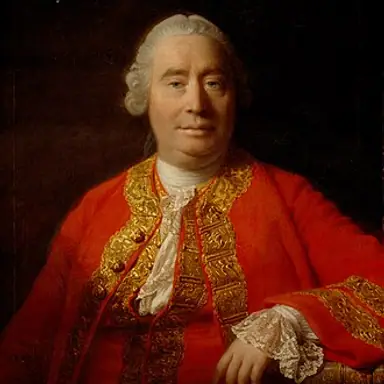
Empiricism
Hume argued that beliefs about causation, the external world, and the future rest on habit rather than rational proof. Only relations of ideas, like mathematics, are demonstrably certain, while matters of fact remain probable.
Our confidence that the future will resemble the past comes from custom, not logic, so factual knowledge never reaches true demonstration.
Source: An Enquiry Concerning Human Understanding
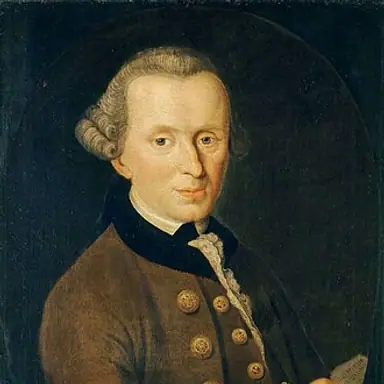
Transcendental Idealism
Kant sought a middle path between dogmatism and skepticism. He held that certain synthetic truths are necessary because they reflect the structure of human cognition, but we cannot know things as they are in themselves.
We can be certain of the forms through which any experience must come to us, but that certainty is limited to appearances, not ultimate reality.
Source: Critique of Pure Reason
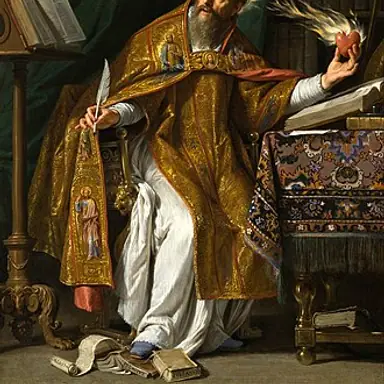
Christian Platonism
Augustine answered the Academic skeptics by pointing to truths that survive doubt, such as one's own existence and living. He also held that eternal truths are grasped through divine illumination.
If I doubt, I am; even someone who errs must exist to be mistaken, so at least this much is beyond skeptical attack.
Source: Against the Academics
Pragmatism
Peirce rejected Cartesian doubt as artificial and defended fallibilism: any belief may be revised. Inquiry is a self-correcting community process that converges toward truth without ever guaranteeing final certainty.
We should not pretend to doubt what we don't actually doubt, yet we should hold every belief open to correction as inquiry proceeds.
Source: The Fixation of Belief