Scholasticism
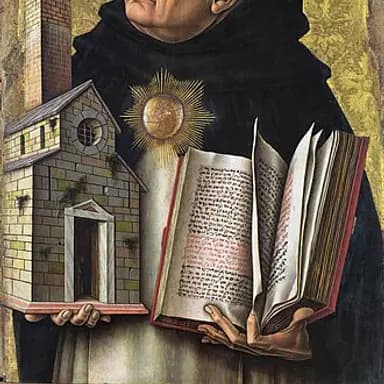
Aquinas argued that God's existence can be demonstrated by reason from features of the world such as motion, causation, contingency, and order. He treated God as the necessary, uncaused source of all being.
Because things in the world move, depend on causes, and might not have existed, there must be a first, necessary reality on which everything else rests, and that is what people mean by God.
Source: Summa Theologiae
Christian philosophy
Anselm proposed the ontological argument, trying to show that God's existence follows from the very concept of a being than which nothing greater can be conceived.
If God is understood as the greatest conceivable being, then God cannot merely exist in thought, since existing in reality is greater, so such a being must exist.
Source: Proslogion
Empiricism
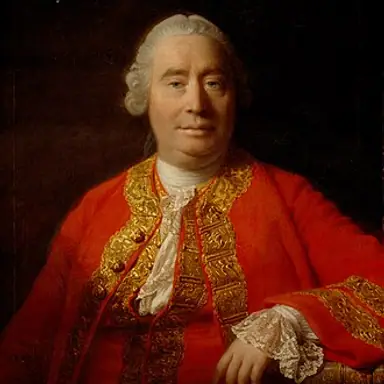
Hume subjected the standard arguments for God to sceptical scrutiny, questioning the design argument, the problem of evil, and the credibility of miracles. He stopped short of dogmatic atheism, emphasizing the limits of human reason.
The evidence from nature is too ambiguous to support confident claims about a divine designer, and our experience gives us little basis for inferring a perfect creator.
Source: Dialogues Concerning Natural Religion
German Idealism
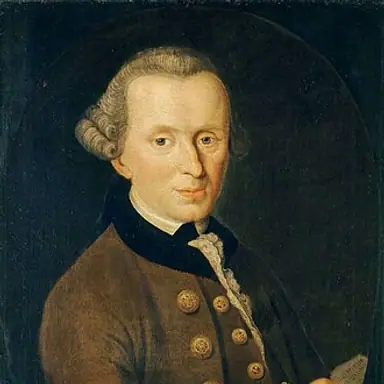
Kant argued that theoretical reason cannot prove or disprove God, since speculation about it exceeds possible experience. He nonetheless held that belief in God is a rational postulate of moral life.
We cannot know by theory whether God exists, but morality gives us good reason to hope for and believe in a just order that joins virtue and happiness.
Source: Critique of Pure Reason
Christian existentialism
Pascal doubted that metaphysical proofs lead people to faith and instead stressed the human condition, the limits of reason, and the practical stakes of belief. He framed belief as a wager under uncertainty.
Reason cannot settle the matter, yet we must live as if one way or the other, and betting on God risks little while potentially gaining everything.
Source: Pensées
Existentialism
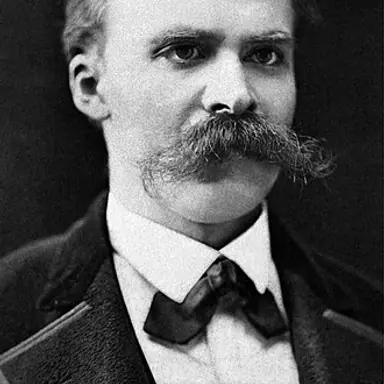
Nietzsche diagnosed the decline of belief in God in modern Europe and explored its cultural and moral consequences. He saw the old foundations of values as collapsing and called for new creation of meaning.
Belief in God has lost its hold on modern people, and with it the foundation of our inherited morality, which leaves us to create values ourselves.
Source: The Gay Science