Platonism
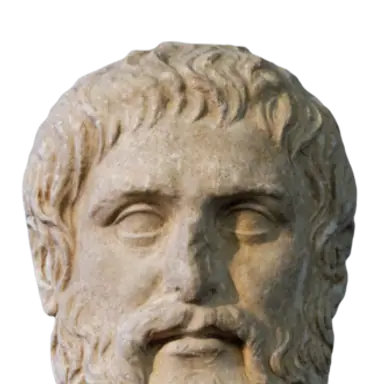
Plato argued that the soul is distinct from the body and akin to the eternal Forms. Death is the soul's release from the body, after which it is judged and may be reborn.
The soul is immortal and outlasts the body; death frees it to continue its journey, and its future depends on how justly it lived.
Source: Phaedo
Epicureanism
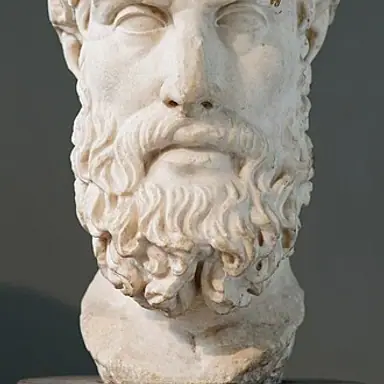
Epicurus held that the soul is made of atoms that disperse at death. Since sensation ends, death cannot be experienced and so is nothing to fear.
When we exist death is absent, and when death arrives we no longer exist, so there is no experience of being dead to dread.
Source: Letter to Menoeceus
Buddhism
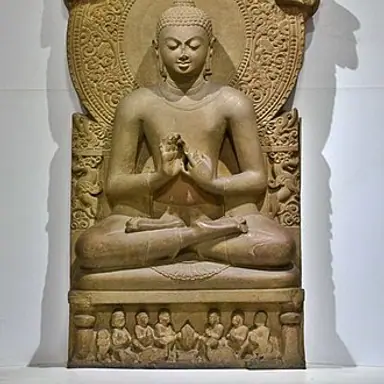
The Buddha taught that there is no fixed self, yet causal continuity carries on through karma and rebirth. Liberation (nirvana) ends the cycle of becoming.
Death is not an end but a transition driven by craving and karma; only awakening breaks the chain of rebirth.
Source: Dhammapada
Aristotelianism
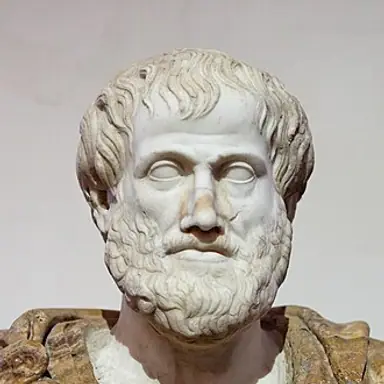
Aristotle treated the soul as the form of a living body, so it is not a separate substance that simply travels on. He left open that the active intellect might be separable and eternal.
Soul and body are bound together like form and matter, so personal survival is doubtful, though pure intellect may be divine and lasting.
Source: De Anima
Christianity
Augustine taught that souls survive death and face judgment, with the righteous destined for eternal communion with God. The body will be resurrected at the end of time.
After death the soul awaits God's judgment, and in the end bodies rise so that the blessed enjoy eternal life with God and the damned are separated from him.
Source: The City of God
Islamic philosophy
Avicenna argued the rational soul is an immaterial substance that does not perish with the body. Its afterlife condition depends on the intellectual perfection it attained.
The intellect is not dependent on the body for its being, so it persists after death, happy or pained according to its knowledge and purification.
Source: Kitab al-Shifa (The Book of Healing)