Platonism
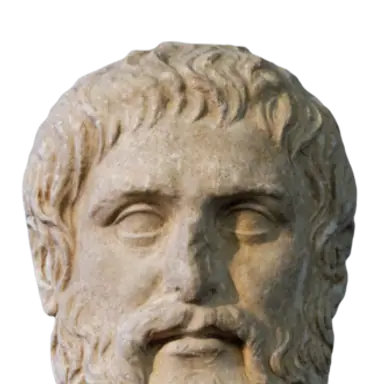
Plato argued that the soul is an immortal, non-material entity that exists before and after the body. He divided it into rational, spirited, and appetitive parts, with reason meant to govern the rest.
The soul is the true self, akin to the eternal Forms, and it outlives the body that temporarily houses it.
Source: Phaedo
Aristotelianism
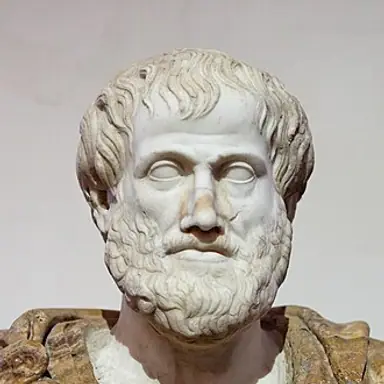
Aristotle treated the soul as the form of a living body, the organizing principle of its capacities for nutrition, perception, and thought. On this view the soul is not a separate substance, though he left the intellect as a puzzling exception.
A soul is what makes a body alive and functioning as it does; it is to the body as sight is to the eye, not a ghost inside a machine.
Source: De Anima
Buddhism
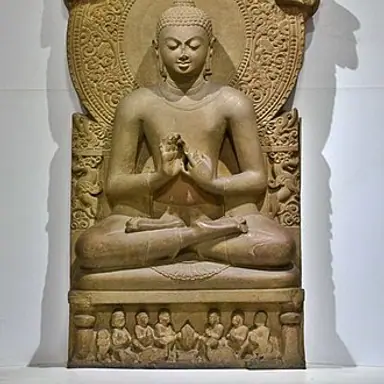
The Buddha's teaching of anatta denies a permanent, unchanging self. What we call a person is a changing stream of aggregates: form, feeling, perception, mental formations, and consciousness.
Search as you may, you will find no fixed self behind experience, only processes that arise and pass away; clinging to a self is the root of suffering.
Source: Anattalakkhana Sutta
Advaita Vedanta
Shankara taught that the true self, Atman, is pure consciousness and is ultimately identical with Brahman, the ground of reality. The individual ego-self is a product of ignorance.
Beneath the changing mind and body lies a witnessing awareness that is one with ultimate reality, and realizing this is liberation.
Source: Vivekachudamani
Scholasticism
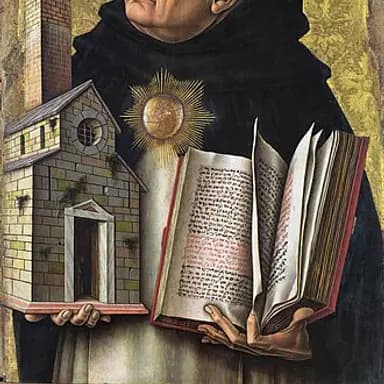
Aquinas combined Aristotle with Christian doctrine: the soul is the form of the body but the rational soul is subsistent and immortal. It is created by God and survives death, awaiting reunion with the body.
The human soul is both the body's animating form and an intellectual principle that can exist apart from matter after death.
Source: Summa Theologiae
Islamic philosophy
Avicenna argued the soul is an immaterial substance distinct from the body. His thought experiment of the floating man suggests self-awareness does not depend on sensing the body.
Imagine a person created suspended in air with no sensation; they would still know they exist, which shows the self is not the body.
Source: Kitab al-Shifa (The Book of Healing)