Greek philosophy
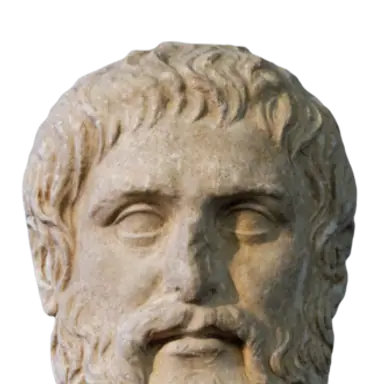
Plato links justice to harmony in both the soul and the city. Each part performs its proper function without usurping others, guided by reason.
Justice is a kind of inner and civic order in which every part, whether of the soul or the state, does its own work under the rule of wisdom.
Source: Republic
Greek philosophy
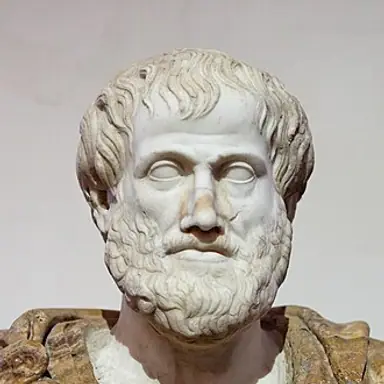
Aristotle distinguishes general justice, meaning lawfulness and virtue toward others, from particular justice, which concerns fair distribution and rectification. Justice involves proportional equality.
Justice means giving people what is proportionate to their merit or standing, and correcting wrongs in exchanges, so that equals are treated equally and unequals unequally.
Source: Nicomachean Ethics
Confucianism
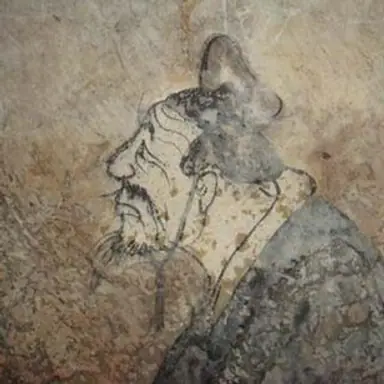
For Confucius, justice is bound up with righteousness (yi) and proper conduct in relationships. Moral rulers cultivate virtue and govern by example rather than coercion.
A just order arises when people, especially rulers, act rightly within their roles and relationships, valuing what is appropriate over mere profit.
Source: Analects
Scholasticism
Aquinas defines justice as a virtue directed at others and grounded in natural law. Unjust human laws lose their binding moral force.
Justice is the steady and lasting will to render to each person what is due to them, measured by a natural law that reflects divine reason.
Source: Summa Theologiae
Islamic philosophy and historiography
Ibn Khaldun treats justice as a precondition of civilizational flourishing. Oppression and unfair taxation erode prosperity and bring dynasties to ruin.
Injustice by rulers destroys the incentive to produce and build, so a just political order is the foundation on which societies thrive or collapse.
Source: Muqaddimah
Social contract theory
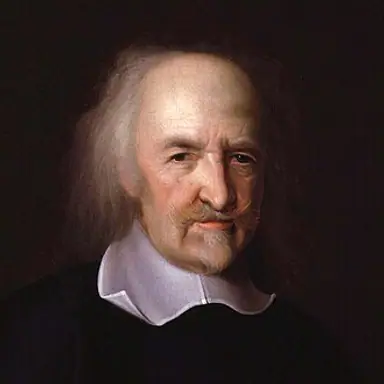
Hobbes sees justice as a product of covenant and sovereign authority. Without enforceable agreements there is no justice or injustice.
Justice amounts to keeping the agreements one has made, and it only has real meaning once a sovereign power exists to enforce them.
Source: Leviathan