Common ground
Where they agree
- None noted.
Mind · Philosophy of mind
Aristotle, Epicurus, Augustine of Hippo, and Thomas Aquinas do not land in the same place. Their approaches draw on Peripatetic, Epicureanism, Christian Platonism, and Scholasticism.
Answerability
No right answer
15 / 100
Common ground
Fault lines
The council
384–322 BCE · Greece
Peripatetic
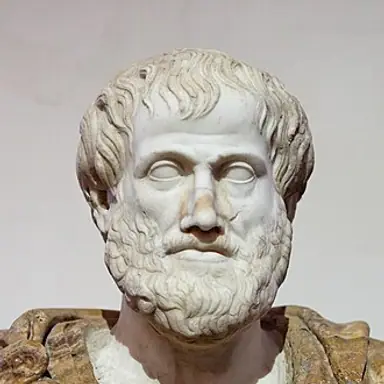
Aristotle ties moral responsibility to voluntary action, meaning action whose origin lies in the agent and which is done with knowledge of what one is doing. He treats deliberation and choice as real features of rational agents shaped by habit and character.
We are praised and blamed because our actions originate in us, and because our settled character, which we helped form, shapes what we choose.
Source: Nicomachean Ethics
341–270 BCE · Greece
Epicureanism
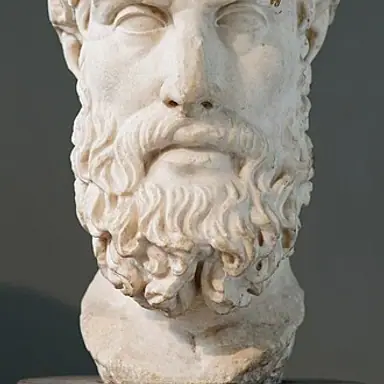
Epicurus rejected strict determinism and held that the motion of atoms is not wholly fixed in advance. This opening in nature, he thought, leaves room for human agency and responsibility.
If everything were fated, we could not be held accountable; nature must contain some indeterminacy so that our choices can be our own.
Source: Letter to Menoeceus
North Africa
Christian Platonism
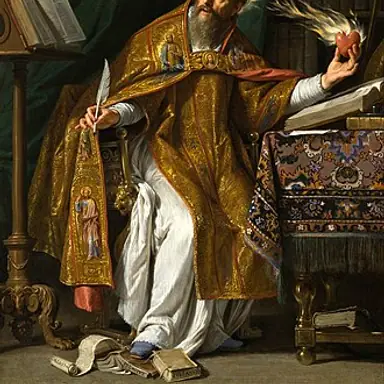
Augustine defended the will as the source of sin against Manichaean fatalism, yet later stressed the need for divine grace to heal a will bound by sin. He wrestled with reconciling God's foreknowledge with human freedom.
The will is truly ours and is why evil is our responsibility, but a will damaged by sin cannot fully free itself without grace.
Source: On Free Choice of the Will
1225–1274 · Italy
Scholasticism
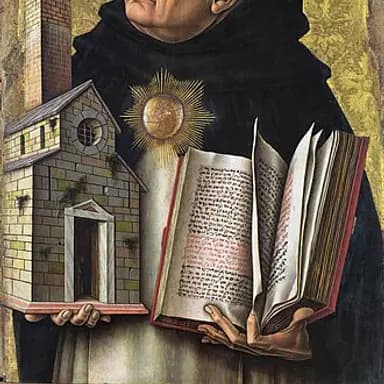
Aquinas argued that rational beings choose by means of intellect and will, so they are free even though God is the first cause of all things. Freedom consists in rational self-direction toward the good rather than in absence of causes.
Because we act by reasoned judgment about what is good, our choices are our own, and divine causation works through rather than against that freedom.
Source: Summa Theologiae
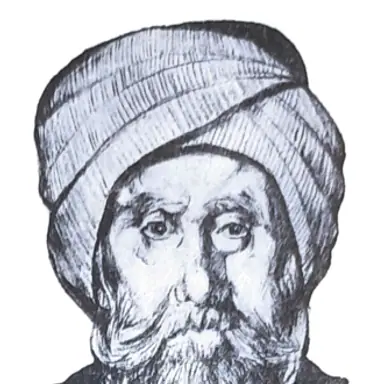
Persia
Ash'arite Islamic theology
Al-Ghazali emphasized God's all-encompassing power while retaining human 'acquisition' of acts, so humans bear responsibility. He also questioned the necessity of natural causation, which affects how we think about determinism.
God creates all events, yet humans appropriate their acts in a way that grounds moral accountability; what looks like necessary causation is really God's habitual order.
Source: The Incoherence of the Philosophers
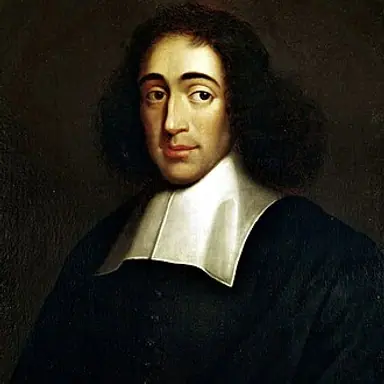
1632–1677 · Netherlands
Rationalism
Spinoza held that everything follows necessarily from the nature of God or Nature, so free will in the sense of uncaused choice is an illusion. Real freedom is understanding the causes that move us and acting from reason rather than passion.
People believe themselves free only because they know their desires and not the causes behind them; genuine freedom is acting from adequate understanding.
Source: Ethics
Ask your own