Empiricism
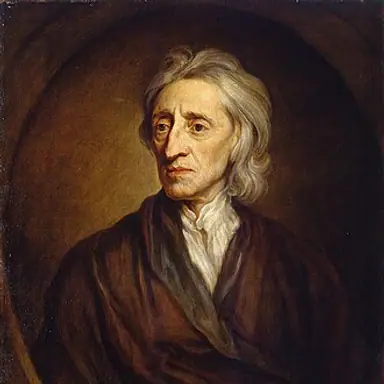
Locke argued that personal identity is not tied to the same soul or the same body but to continuity of consciousness. A person is a thinking being who can recognize itself as the same across times and places.
You remain the same person as far as your awareness can reach back to your past actions and experiences and claim them as your own.
Source: An Essay Concerning Human Understanding
Empiricism
Hume looked inward and found no constant self, only a changing stream of perceptions. He held that the idea of a unified identity is a fiction produced by the imagination linking resembling and causally connected experiences.
The self is more like a bundle of passing perceptions than a single enduring thing, and our sense of sameness comes from the mind's habit of connecting them.
Source: A Treatise of Human Nature
Analytic philosophy
Parfit defended a reductionist view in which identity consists in psychological connectedness and continuity, with no further deep fact. He argued that identity is not what matters in survival; the relations of continuity are.
There is no extra fact beyond overlapping chains of memory, character, and intention, and what should matter to us is that continuity, not strict identity.
Source: Reasons and Persons
Scottish Common Sense
Reid criticized Locke's memory theory, noting it yields paradoxes such as the brave officer who forgets his boyhood flogging. He held that personal identity is simple and indivisible, grounded in a persisting subject.
Memory is evidence of who you are, not what makes you who you are; you are a single enduring subject, not a collection of linked memories.
Source: Essays on the Intellectual Powers of Man
Aristotelianism
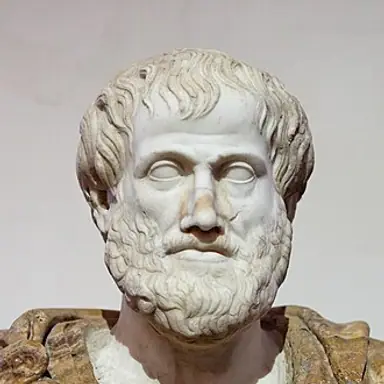
Aristotle treated the soul as the form of a living body, so a person's identity is tied to the continuing organization of a living organism. Sameness lies in the persistence of that form despite changing matter.
You persist as the same living being because the form that organizes your body and capacities continues even as its material is replaced.
Source: De Anima
Madhyamaka Buddhism
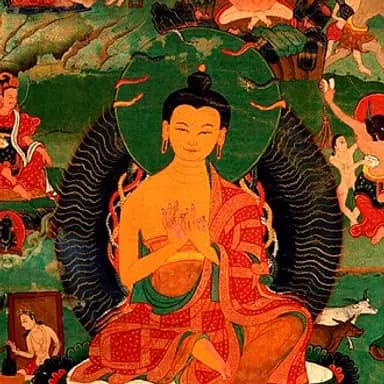
Nagarjuna extended the Buddhist denial of a permanent self by arguing that all things, including persons, lack intrinsic nature and exist only dependently. Identity over time is a conventional designation.
No fixed self can be found either identical with or separate from the changing aggregates; sameness is a useful convention resting on dependent conditions.
Source: Mulamadhyamakakarika