Eleatic
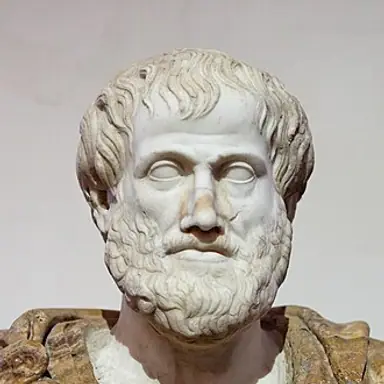
Parmenides argued that what is cannot come from what is not, since non-being cannot be thought or spoken of. For him the question of why there is something rather than nothing is undermined, because nothing is not a coherent option.
Nothingness cannot even be conceived, so reality could never have failed to be; being is the only thinkable ground.
Source: On Nature
Peripatetic
Aristotle traced the world's motion and change back to an unmoved mover, a pure actuality that sustains everything without itself changing. He did not ask why anything exists at all, but what explains the ongoing order of things.
The cosmos depends on a first, eternal actuality that moves other things as an object of desire, and this halts the regress of explanations.
Source: Metaphysics
Scholasticism
Aquinas distinguished beings whose essence does not include existence from a being whose essence is existence itself. He held that contingent things need a cause that gives them being at every moment, which he identified with God.
Everything that merely happens to exist must be sustained by something whose nature is to exist, and that is what we call God.
Source: Summa Theologiae
Islamic philosophy
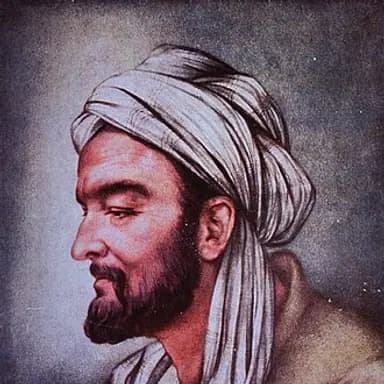
Avicenna separated what is merely possible in itself from what is necessary through itself. Since contingent things cannot explain their own existence, a Necessary Existent must ground the whole chain.
Possible beings need an external cause to tip them into existence, and the series must terminate in a being that exists necessarily by its own nature.
Source: The Book of Healing
Rationalism
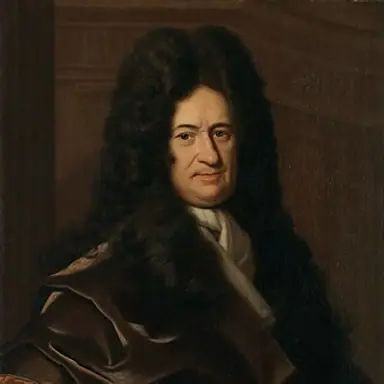
Leibniz posed the question in its famous form and answered with the principle of sufficient reason. Because nothing is simpler than nothing, he argued the existence of anything demands a sufficient reason lying in a necessary being outside the contingent world.
Since nothing happens without a reason, the world's existence must be explained by a necessary being, and nothing would be easier and simpler than nothing.
Source: Principles of Nature and Grace
Empiricism
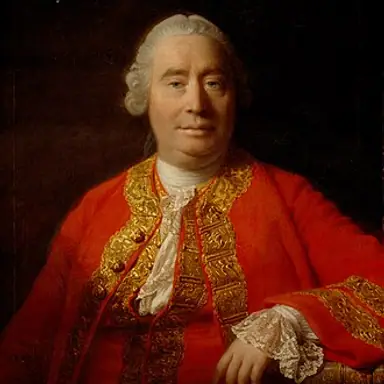
Hume questioned whether the idea of a cause of the whole universe is legitimate, since our notion of causation comes from experience of events within the world. He suggested that explaining the parts may be all explanation can demand.
If every part of the world has its cause, asking for a further cause of the entire collection adds nothing and may be an illegitimate demand.
Source: Dialogues Concerning Natural Religion