Peripatetic
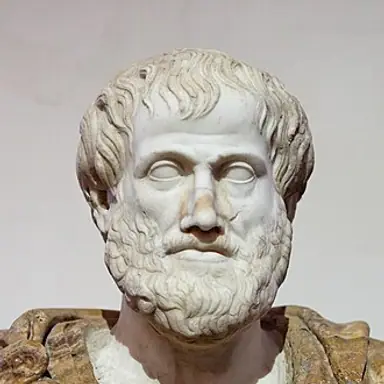
Aristotle treats truth as a property of statements and thoughts that correspond to how things actually are. He grounds it in a realist view of being and discourse.
To say of what is that it is, and of what is not that it is not, is to speak truly; falsehood is the reverse.
Source: Metaphysics
Platonism
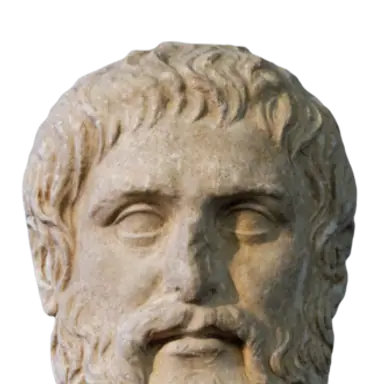
Plato links truth to the intelligible Forms, which are stable and knowable through reason rather than the shifting world of appearances. Knowing truth requires turning the soul toward these realities.
Genuine truth belongs to unchanging Forms, and the philosopher's task is to move from shadows and opinion toward knowledge of them.
Source: Republic
Scholasticism
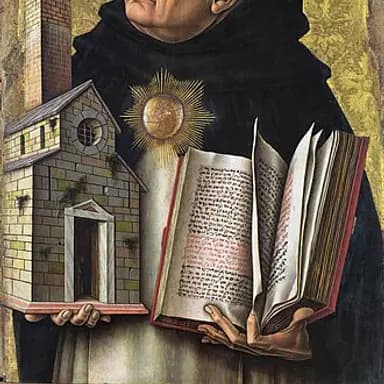
Aquinas develops the correspondence theory, defining truth as the conformity of intellect and thing. He also roots truth in God's mind as the ultimate measure of things.
Truth is found when the mind matches reality, and all created things are true insofar as they conform to the divine intellect that conceived them.
Source: Quaestiones disputatae de veritate
German Idealism
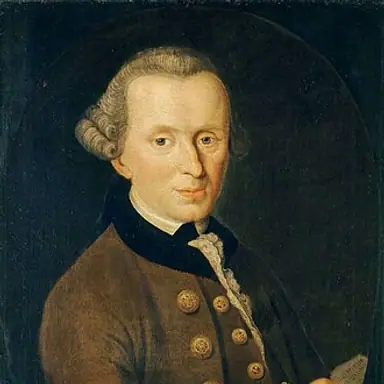
Kant accepts the nominal definition of truth as agreement of knowledge with its object but argues we can only know objects as they appear within the structures of human cognition. Truth is thus tied to possible experience.
Truth concerns agreement between our judgments and objects, but those objects are shaped by the mind's own forms of sensibility and understanding.
Source: Critique of Pure Reason
Perspectivism
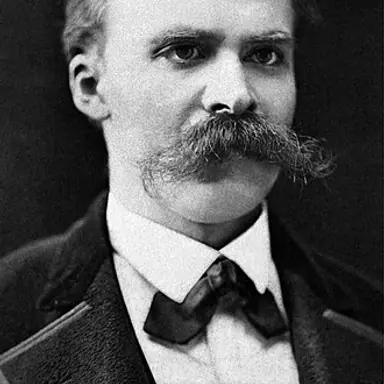
Nietzsche is suspicious of absolute truth, seeing it as bound up with power, language, and life-serving fictions. He advocates a perspectival approach to knowing.
What we call truth is a shifting set of metaphors and interpretations hardened by habit, and there is no view from nowhere, only many perspectives.
Source: On Truth and Lies in a Nonmoral Sense
Pragmatism
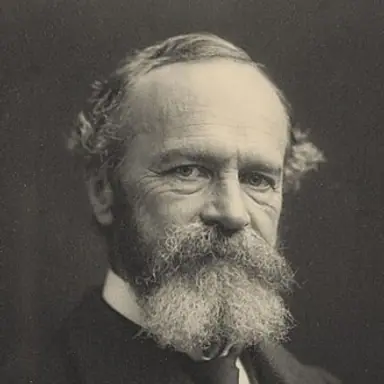
James defines truth in terms of what works in the long run in guiding experience. True ideas are those we can verify and that lead us fruitfully through life.
An idea becomes true by proving useful in connecting our experiences satisfactorily; truth is something that happens to ideas as they are tested.
Source: Pragmatism